A Guide to the Different Types of Flexible Heaters
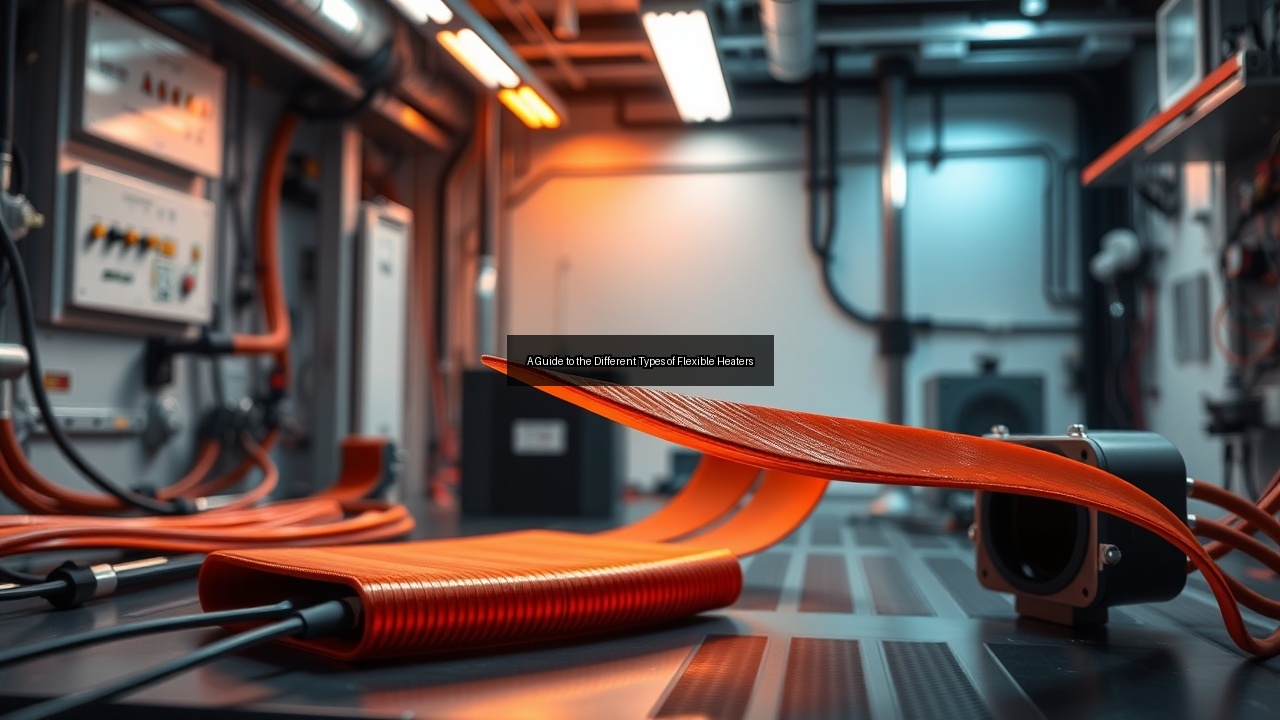
Understanding Flexible Heaters
What Are Flexible Heaters?
Flexible heaters serve as innovative solutions for a variety of heating applications. These electric heating elements, made from materials like silicone rubber, Kapton, or Teflon, provide efficient and uniform heat distribution across surfaces. Their flexibility allows them to conform to different shapes and sizes, making them ideal for use in tight spaces or on irregular surfaces. Flexible heaters find applications across multiple industries, including medical, military, and industrial sectors. Their lightweight design and ease of integration into existing systems contribute to their growing popularity. The versatility and flexibility in heating efficiency of flexible heating solutions make them essential in modern engineering and manufacturing processes.
Key Components of Flexible Heaters
Understanding the construction of flexible heaters enhances their effective use in various applications. The main components include a heating element, an insulator, and a protective layer. The heating element generates heat when an electric current flows through it, governed by Ohm's Law, which states that the current through a conductor between two points is directly proportional to the voltage across the two points. Insulators, often made from silicone rubber or Kapton, prevent heat loss and ensure safety during operation. The protective layer, which can be made from FEP or Teflon, offers resistance to chemicals and abrasion, extending the heater's lifespan. Combining these components allows for efficient heat delivery and reliable performance.
How Flexible Heaters Work with Ohm's Law
Flexible heaters operate on the principles of electrical resistance and conductivity. Ohm's Law plays a crucial role in understanding how these devices generate heat. By applying voltage to the heating element, electric current flows through it, creating heat due to resistance. The amount of heat produced depends on the resistance of the material and the current flowing through it. Engineers often use calculators to determine the optimal voltage and current for specific applications, ensuring efficient energy consumption. This understanding of basic electrical principles enables the design of flexible heating solutions optimized for performance and safety, making flexible heaters a reliable choice in various settings.
Types of Flexible Heaters
Silicone Rubber Heaters
Silicone rubber heaters stand out for their excellent flexibility, durability, and temperature resistance. These heaters can operate in extreme conditions, withstanding temperatures from -40°F to +400°F. Their ability to conform to irregular shapes makes them ideal for applications where space is limited. Silicone rubber heaters often incorporate a thermocouple for temperature monitoring, ensuring precise heating control. Industries such as aerospace and automotive frequently use these heaters due to their reliability and performance. Additionally, silicone rubber is non-toxic and resistant to moisture and chemicals, making it suitable for a range of environments. Overall, silicone rubber heaters provide one of the best flexible heater solutions for diverse heating needs.
Kapton Heaters
Kapton heaters, made from a polyimide film, offer exceptional thermal stability and electrical insulation. These heaters can function at temperatures ranging from -269°F to +392°F, making them suitable for both cryogenic and high-temperature applications. Their thin profile and lightweight design allow easy integration into various systems, including flexible circuit assemblies. Kapton heaters are particularly popular in the aerospace and semiconductor industries, where precise temperature control is critical. The use of Kapton tape enhances the adhesion of these heaters to surfaces, ensuring efficient heat transfer. With their durability and versatility, Kapton heaters represent a robust option for flexible heating solutions in advanced engineering environments.
FEP and Teflon Heaters
FEP (fluorinated ethylene propylene) and Teflon heaters provide unique advantages for specific applications. These materials offer outstanding chemical resistance and non-stick properties, making them ideal for environments where contamination is a concern. FEP heaters function effectively at high temperatures, maintaining performance in challenging conditions. Their flexibility allows them to fit snugly around components, ensuring uniform heat distribution. Industries such as food processing and pharmaceuticals often utilize FEP and Teflon heaters to maintain sterile conditions while providing reliable heating. The ability to incorporate these materials into flexible heating elements enhances their functionality, making them a preferred choice for applications demanding cleanliness and precision.
Applications of Flexible Heaters
Military Applications
Flexible heaters play a vital role in military applications, providing reliable heat in extreme conditions. They ensure equipment operates effectively in cold environments, preventing failures that could compromise missions. Flexible heaters are often used in portable shelters, ensuring personnel remain comfortable during operations. Additionally, these heaters can be integrated into various military devices, such as drones and vehicles, to maintain optimal performance. Their lightweight design allows for easy installation and transport, making them ideal for mobile applications. As military technology advances, the demand for efficient and flexible heating solutions continues to rise, highlighting the importance of innovative heater designs.
Industrial Uses
In industrial settings, flexible heaters contribute significantly to processes requiring consistent and controlled heating. They find applications in manufacturing, packaging, and material processing. For instance, flexible heaters can preheat materials before molding or extrusion, enhancing product quality and reducing cycle times. Additionally, they play a crucial role in temperature maintenance during the transportation of sensitive materials. The adaptability of flexible heaters allows easy integration into existing systems, improving overall efficiency. Industries like automotive, electronics, and textiles increasingly electric heaters rely on these heating solutions to optimize production processes, demonstrating their importance in modern manufacturing.
Medical and Laboratory Uses
Flexible heaters serve essential functions in medical and laboratory environments. They provide controlled heating for diagnostic equipment, ensuring accurate results in temperature-sensitive tests. In medical devices, flexible heaters maintain optimal temperatures for electric heaters patient comfort and equipment functionality. Applications include warming blankets, incubators, and blood sample warmers. In laboratories, precise temperature control is critical for experiments and equipment operation. Flexible heaters can easily integrate with sensors and monitoring systems, allowing researchers to maintain the desired conditions. The versatility and reliability of flexible heating elements make them indispensable in medical and laboratory applications, where accuracy and safety are paramount.
Choosing the Right Flexible Heater
Factors to Consider in Design
When selecting a flexible heater, several factors must be considered to ensure optimal performance. The intended application plays a crucial role in determining the appropriate material and design. For instance, if a heater needs to withstand harsh environmental conditions, materials like silicone rubber or Kapton are preferable. The required temperature range is another critical factor; different materials function optimally at specific temperatures. Additionally, flexibility is essential for applications requiring conformability to surfaces. Engineers should also evaluate the heater's power requirements and the available voltage supply. By considering these factors, designers can select the best flexible heater solutions tailored to specific needs.
Best Flexible Heater Solutions
Identifying the best flexible heater solutions involves understanding the unique demands of each application. Silicone rubber heaters excel in general-purpose applications, while Kapton heaters are ideal for high-temperature and precision applications. FEP and Teflon heaters offer chemical resistance crucial for certain industries. Additionally, incorporating features like built-in thermocouples can enhance temperature control and monitoring. Manufacturers like Minco provide a range of customizable options, allowing engineers to tailor heaters to meet specific requirements. Investing in quality heaters ensures reliability and efficiency, ultimately leading to improved operational performance across various sectors.
Using a Calculator for Heating Element Selection
Selecting the right heating element requires careful calculation to ensure efficiency and effectiveness. Engineers often use calculators to determine the necessary wattage, voltage, and current for specific applications. These tools consider factors such as the desired temperature rise, surface area, and material properties. By inputting these variables, designers can obtain accurate specifications for the flexible heater needed. This approach minimizes the risk of under or overheating, ensuring safety and optimal performance. Utilizing calculators allows for informed decision-making, ultimately leading to the successful integration of flexible heating solutions into various systems.