Combatting Oxidation Why Quality Mining Lubricants Matter for Gear Longevity
The Importance of Mining Lubricants in Gear Longevity
Understanding Oxidation and Its Impact on Gear Performance
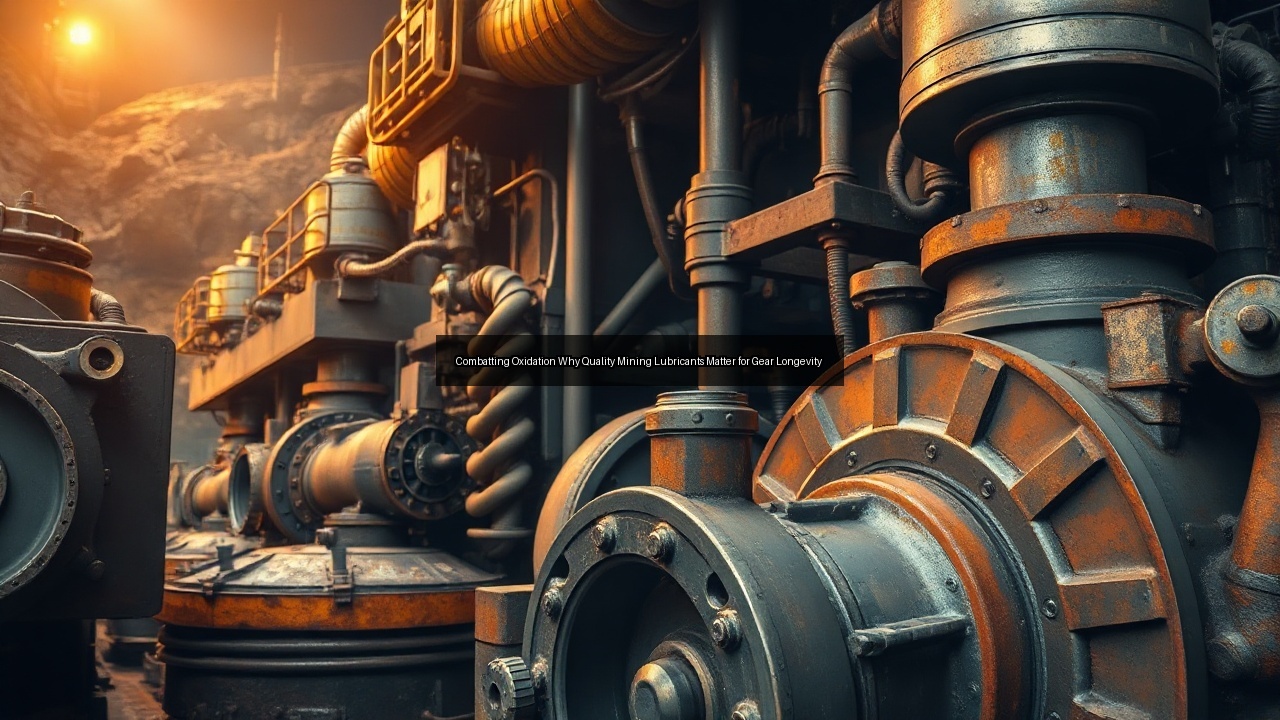
Oxidation breaks down base oils in mining lubricants when oxygen reacts with molecules under high heat and pressure from continuous operation. This process forms acids, sludge, and varnish that attack metal surfaces on gears inside mining equipment. Operators notice accelerated wear on tooth flanks, scoring, and eventual pitting that shortens service life. Rock drill bits and large reduction gears suffer most because they run hot and encounter abrasive dust. Left unchecked, oxidation raises friction, generates more heat, and creates a cycle that destroys components faster than mechanical fatigue alone. Regular oil analysis reveals rising acid numbers and varnish potential before visible damage appears. Quality formulations fight oxidation with robust antioxidant packages that extend fluid life and protect gear metallurgy. Without proper protection, replacement cycles shorten dramatically and unplanned downtime rises. Effective mining lubricants interrupt this chain by maintaining film strength even after extended drain intervals.
The Role of Quality Lubricants in Preventing Oxidation
Premium mining lubricants incorporate synthetic base stocks and advanced additive chemistry that resist oxygen attack far better than conventional products. These formulations maintain stability at elevated temperatures common in heavy mining equipment. Antioxidants sacrifice themselves to neutralize free radicals before they degrade the base oil. Detergents and dispersants keep oxidation byproducts suspended so they do not plate out on gear teeth or bearing surfaces. When operators select the right lubricant, they extend drain intervals while preserving gear integrity. Field data from open-pit mines shows that upgraded products cut oxidation-related failures by more than half. The result appears in lower operating temperatures and smoother power transmission through transmissions and final drives. Consistent use also reduces varnish that otherwise restricts oil flow to critical contact zones. Mining lubrication programs built around oxidation control deliver measurable gains in component life and overall fleet availability.
Comparing Different Types of Mining Lubricants
Mineral-based engine oils offer solid value for moderate conditions yet require more frequent changes when oxidation accelerates. Synthetic engine oils deliver superior thermal stability and longer service life in extreme duty cycles. Hydraulic fluids vary widely; zinc-free versions protect against wear while resisting oxidation in high-pressure circuits. Greases range from lithium complex to calcium sulfonate thickeners, each offering different water resistance and load-carrying capacity for exposed pivot points. Operators compare performance through laboratory tests that measure oxidation stability, four-ball wear, and Timken OK load. The best choice matches the specific speed, load, and contamination level of each application. Industrial lubricants labeled for mining often carry OEM approvals that confirm they meet rigorous oxidation and gear protection requirements. Cost per hour of operation usually favors higher-quality options once downtime and parts expenses enter the calculation. Side-by-side trials remain the most reliable way to validate which lubricant delivers the longest gear life under actual site conditions.
Types of Lubricants Used in Mining Operations
Engine Oils: The Backbone of Mining Equipment
Engine oils protect diesel power plants that drive haul trucks, excavators, and crushers in mining operations. These lubricants must handle combustion acids, soot, and extreme temperatures while maintaining viscosity across wide ambient swings. Modern formulations include high-TBN additives that neutralize acids formed during oxidation. Operators monitor soot levels and base number depletion to schedule drains before wear metals rise. Synthetic engine oil options extend intervals in remote sites where logistics complicate frequent changes. Proper engine oil selection directly influences crankshaft and camshaft longevity inside these massive power units. Contamination from dust and fuel dilution accelerates oxidation, making robust antioxidant packages essential. Many mines standardize on one or two approved viscosities to simplify inventory while meeting multiple OEM specifications. Regular sampling confirms that the chosen motor oil continues to control oxidation and protect critical surfaces throughout the service period.
Hydraulic Fluids: Essential for Hydraulic Systems
Hydraulic fluids transmit power through pumps, valves, and cylinders that position booms and buckets on mining equipment. Oxidation in these systems produces varnish that sticks spool valves and reduces response time. Quality hydraulic oil maintains cleanliness codes even after hundreds of hours under high pressure and temperature. Zinc-containing anti-wear packages protect pumps, while ashless alternatives suit environmentally sensitive areas. Operators track water content because moisture dramatically speeds oxidation reactions. Premium hydraulic fluids incorporate demulsifiers that separate water quickly during settling periods. Consistent filtration combined with the right fluid prevents varnish formation that otherwise forces unplanned maintenance. Mines that upgraded to high-performance hydraulic fluids report fewer valve replacements and steadier cycle times on excavators. The fluid also serves as a heat transfer medium, carrying heat away from pumps and motors before oxidation can accelerate.
Greases: Ensuring Smooth Operation of Moving Parts
Greases provide boundary lubrication for bearings, pins, and open gears exposed to water, dust, and heavy shock loads. Lithium complex greases handle moderate temperatures, while calcium sulfonate greases offer superior corrosion protection in wet conditions. Proper application intervals prevent metal-to-metal contact that initiates wear and subsequent oxidation of fresh metal surfaces. Centralized lubrication systems deliver precise quantities of grease to multiple points, reducing both over- and under-greasing. Operators inspect purged grease for darkening or hardening that signals oxidation or contamination. Specialized mining grease formulations contain solid additives such as molybdenum disulfide for extreme pressure zones. Consistent use of the correct grease keeps articulated joints moving freely and protects against abrasive ingress that would otherwise destroy seals and accelerate component failure.
Selecting the Right Mining Lubricant
Key Factors to Consider When Choosing Lubricants
Load, speed, temperature range, and contamination severity guide lubricant selection for each gear and bearing. OEM specifications provide minimum performance thresholds that quality mining lubricants must exceed. Base oil type, additive package, and viscosity grade together determine oxidation resistance and film strength. Operators evaluate total cost of ownership rather than purchase price alone because superior products reduce parts consumption and downtime. Compatibility checks prevent mixing issues when switching products. Many sites establish lubricant approval lists that limit choices to proven formulations. Field performance data and used-oil analysis trends provide the best evidence for final selection. Environmental regulations may dictate biodegradable options in certain applications without sacrificing oxidation protection.
Understanding Viscosity and Its Importance in Mining
Viscosity determines the thickness of the lubricating film that separates gear teeth under load. Too low and metal contact occurs; too high and energy losses rise along with heat that accelerates oxidation. Multigrade engine oils maintain protective viscosity across temperature swings common at mine sites. Hydraulic fluids require stable viscosity to ensure consistent pump output regardless of ambient conditions. Operators consult viscosity-temperature charts and OEM charts before finalizing choices. High-viscosity gear oils protect slow-moving open gears while lower-viscosity synthetics suit high-speed pinions. Proper viscosity selection keeps operating temperatures in check and extends both fluid and component life. Regular monitoring confirms the lubricant retains its designed viscosity throughout the drain interval.
The Impact of Environmental Conditions on Lubricant Performance
Dust, water, and wide temperature swings challenge every lubricant in mining environments. Fine particles act as catalysts that speed oxidation reactions inside sumps and reservoirs. Water contamination promotes rust and hydrolytic breakdown that degrades additives. Cold starts demand fluids with adequate low-temperature fluidity to reach all surfaces quickly. Hot climates push fluids toward their thermal limits where oxidation accelerates rapidly. Quality mining lubricants incorporate robust additive systems that maintain performance despite these stresses. Enclosed cabs and filtration upgrades further reduce contaminant ingress. Seasonal product changes or year-round synthetics help match conditions and protect gears year-round.
Best Practices for Lubrication in Mining Equipment
Regular Maintenance and Lubrication Schedules
Strict adherence to time- or condition-based lubrication schedules prevents oxidation from gaining a foothold. Daily visual checks of oil levels and grease points catch leaks before they starve components. Oil analysis programs track oxidation markers such as acid number and oxidation index to optimize drain intervals. Filter changes remove particles that would otherwise promote further degradation. Documented procedures ensure every piece of mining equipment receives the correct lubricant at the right volume and frequency. Automated lubrication systems reduce human error and deliver consistent protection. These disciplined practices extend gear life and lower overall operating costs across the fleet.
Identifying Signs of Wear and Tear in Gears
Early detection of gear distress allows corrective action before oxidation compounds the damage. Vibration analysis reveals changes in mesh frequencies that indicate pitting or misalignment. Oil analysis showing rising iron and copper levels signals active wear. Visual inspection during shutdowns uncovers discoloration or scoring on tooth surfaces. Rising operating temperatures often precede visible damage and point to lubrication failure. Prompt investigation of these indicators prevents small issues from escalating into major failures. Integrating these monitoring techniques into daily operations protects capital investments in mining equipment.
Innovative Lubrication Solutions for Enhanced Gear Longevity
Advanced filtration, desiccant breathers, and online sensors now give operators real-time visibility into lubricant condition. Synthetic formulations with enhanced antioxidant packages extend service life dramatically. Automated grease systems ensure precise delivery even on remote machines. Condition-based monitoring replaces fixed schedules with data-driven decisions that catch oxidation early. Some operations adopt oil reclamation units that restore fluids to like-new specifications. These innovations reduce waste while delivering superior protection against oxidation and wear. Mines implementing comprehensive lubrication solutions consistently achieve longer gear life and higher equipment availability.