Conquer Indoor Humidity with the Right Pool Dehumidifier
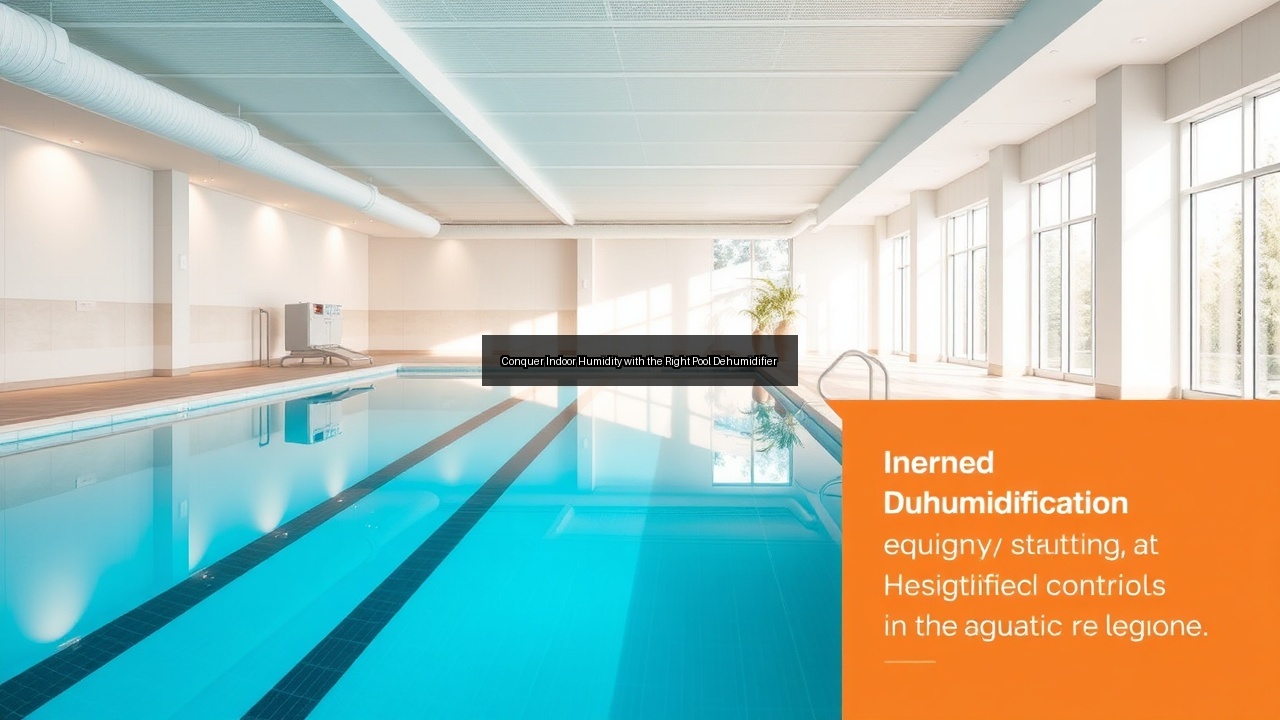
Understanding Indoor Pool Humidity
The Importance of Humidity Control in Indoor Pools
Humidity control plays a critical role in maintaining a pleasant and safe environment in indoor pools. High humidity levels can lead to a range of problems, including discomfort for swimmers, potential water damage, and the growth of mold and mildew. When humidity levels exceed 50%, swimmers may experience difficulty in breathing and skin irritation. Furthermore, excess moisture can corrode pool equipment and structural components, causing costly repairs. Installing an effective indoor pool dehumidifier can mitigate these issues, ensuring that the air remains fresh and comfortable while protecting the integrity of your pool environment.
How Humidity Affects Indoor Swimming Environments
Humidity directly impacts the overall experience of swimmers in indoor pools. High humidity levels create a muggy atmosphere, making it feel warmer than it actually is. This can lead to overheating, decreased stamina, and an unpleasant swimming experience. Moreover, high humidity contributes to condensation on windows and walls, increasing the risk of water damage and promoting the proliferation of mold. Conversely, inadequate humidity can result in dry skin and respiratory issues. Therefore, achieving a balanced level of humidity through proper climate control is essential for both comfort and health in indoor swimming environments.
Common Causes of Excess Humidity in Indoor Pools
Several factors contribute to excessive humidity in indoor pools. One primary cause is the evaporation of water from the pool surface. Each time swimmers enter the water, heat and moisture escape, escalating humidity levels. Additionally, warm air from showers and changing rooms can further increase moisture in the facility. Poor ventilation also exacerbates the problem, trapping humid air inside. Inadequate heating systems and lack of proper insulation in the pool area can lead to cold surfaces that encourage condensation. Understanding these causes is crucial for implementing effective humidity control measures, including the use of a dedicated indoor pool dehumidifier.
Selecting the Right Dehumidifier for Your Indoor Pool
Types of Dehumidifiers: Which is Best for Indoor Pools?
Choosing the right dehumidifier for your indoor pool involves understanding the different types available and their suitability for your specific needs. The most common types include refrigerant dehumidifiers, which are effective in warmer conditions, and desiccant dehumidifiers, which excel in cooler environments. Refrigerant dehumidifiers condense moisture from the air and are ideal for indoor pools where the air temperature remains consistently warm. Desiccant units, on the other hand, remove humidity through absorption and are better suited for cooler areas. Assess the average temperature and humidity levels in your pool area to determine which type of dehumidifier will perform best.
Key Features to Look for in a Pool Dehumidifier
When selecting a dehumidifier for your indoor pool, consider key features that enhance performance and usability. Look for units with adjustable humidity settings, allowing you to maintain optimal levels easily. Built-in humidistats enable automatic operation, switching on or off based on humidity readings. Energy efficiency is crucial, particularly in larger indoor pools. Choose a model with a high energy efficiency rating to minimize operational costs. Additionally, advanced filtration systems can improve indoor air quality by capturing airborne particles. Finally, ensure the unit has a reliable drainage system, either through gravity or a pump, to prevent water accumulation and maintain continuous operation.
Energy Efficiency: Balancing Performance and Cost
Energy efficiency remains a top priority when selecting an indoor pool dehumidifier. An energy-efficient model not only lowers electricity bills but also reduces environmental impact. Look for the Energy Star label, which indicates that the dehumidifier meets strict energy efficiency guidelines. High-efficiency units may have a higher initial cost but will save money in the long run through reduced energy consumption. Additionally, consider the balance between performance and cost. A powerful unit might be necessary for larger pools or those with excessive humidity, while smaller, less powerful dehumidifiers may suffice for more moderate conditions. Strive for a solution that fits your budget without sacrificing performance.
Integrating Dehumidifiers with HVAC Systems
The Role of Heating and Ventilation in Humidity Control
Effective humidity control in indoor pools often requires integration with existing HVAC systems. Heating and ventilation work together to maintain a comfortable environment and manage moisture levels. Properly designed ventilation systems can help circulate air, replacing humid air with drier outdoor air while also maintaining temperature balance. This integration allows for more efficient use of energy, as the heating system can work in tandem with the dehumidifier, ensuring that both temperature and humidity remain within desired ranges. Regular maintenance of HVAC components is essential to ensure optimal performance and longevity of both the heating system and the indoor pool dehumidifier.
Heat Recovery and Its Benefits for Indoor Pools
Heat recovery systems present an innovative solution for indoor pool humidity control. These systems capture waste heat generated by dehumidifiers and repurpose it for heating water or air in the facility. This process not only enhances energy efficiency but also reduces operational costs. By recovering heat, pool owners can maintain a comfortable temperature while minimizing energy consumption. Implementing a heat recovery system may require a larger initial investment, but the long-term savings on energy bills often justify the cost. This strategy exemplifies how integrating technology can lead to a more sustainable indoor pool environment.
Enhancing Indoor Air Quality with Dehumidifiers and Air Conditioning
Integrating dehumidifiers with air conditioning systems significantly enhances indoor air quality in swimming pool environments. Air conditioning not only cools the air but also reduces humidity levels, creating a more comfortable atmosphere for swimmers. The synergy between these systems ensures that moisture is consistently managed, preventing the growth of mold and mildew. High-efficiency air conditioning units equipped with advanced filtration systems can remove allergens and contaminants from the air. Together, dehumidifiers and air conditioning provide a holistic approach to climate control, ensuring that indoor pools remain inviting and safe for all users.
Maintaining Your Indoor Pool Dehumidifier
Regular Maintenance Tips for Optimal Performance
Regular maintenance of your indoor pool dehumidifier is essential for optimal performance and longevity. Begin by checking and cleaning or replacing filters regularly to ensure efficient airflow and effective moisture removal. Inspect the drainage system to prevent clogs, which can lead to water pooling and potential damage. Additionally, examine the unit for any signs of wear or damage, such as rust or leaking. Keeping the surrounding area clean also contributes to the dehumidifier’s efficiency. Schedule professional maintenance annually to ensure that all components function correctly, allowing your dehumidifier to operate effectively throughout the swimming season.
Troubleshooting Common Issues with Dehumidifiers
Even the best indoor pool dehumidifier may encounter issues from time to time. Common problems include inadequate moisture removal, unusual noises, or constant cycling. If the unit fails to remove humidity effectively, check for obstructions in the filters or drainage system. Unusual noises may indicate loose components or mechanical failures that require immediate attention. If the dehumidifier cycles on and off frequently, it may be oversized for the space, leading to inefficient operation. Understanding these issues and their solutions can help maintain your dehumidifier’s performance and extend its lifespan, ensuring a consistently comfortable indoor pool environment.
The Impact of Noise Levels on Indoor Pool Experience
Noisy dehumidifiers can detract from the overall enjoyment of an indoor pool. Excessive noise not only disrupts the peaceful atmosphere but can also disturb swimmers and other users. Choose a model designed for low noise operation, with features like sound insulation or low-noise fans. Consider the decibel rating of the unit before purchasing, as quieter models provide a more pleasant experience. Proper placement of the dehumidifier can also minimize noise impact; locate it away from high-traffic areas and use vibration dampening pads. Prioritizing noise reduction ensures that swimmers can focus on enjoying their time in the water without unnecessary distractions.