Elevating Aerospace Engineering with Precision Machining Techniques

The Role of Precision Machining in Aerospace Engineering
Understanding Aerospace Machining Services
Machinists in the aerospace industry deliver specialized aerospace machining services that transform raw metal into critical components for aircraft and spacecraft. These services encompass a range of processes, from initial design to final finishing, ensuring every part meets stringent standards. Aerospace component machining demands expertise in handling complex geometries and high tolerances, often involving custom aerospace machining tailored to specific engineering needs. Companies providing machining services for aerospace integrate advanced tools and software to produce parts like turbine blades and engine housings. Precision aerospace machining stands out because it minimizes defects and enhances performance in extreme conditions. Engineers rely on these services to fabricate everything from structural frames to intricate avionics mounts. In the broader context of machining aerospace components, professionals focus on scalability, allowing production to ramp up for military aircraft or commercial jets. Aerospace services extend beyond mere cutting; they include quality inspections and material testing to guarantee reliability. This holistic approach drives innovation, as seen in the evolution of CNC aerospace machining, which automates tasks for consistency. Ultimately, aerospace machining services propel the entire sector forward by enabling faster prototyping and reliable production runs that support global aviation demands.
Importance of Precision and Accuracy in Aerospace Parts
Precision and accuracy define success in aerospace parts machining, where even minor deviations can lead to catastrophic failures. Engineers prioritize these elements to ensure components withstand immense pressures, temperatures, and vibrations during flight. In aerospace engineering, machined parts like landing gear or fuselage sections require tolerances measured in microns, achieved through meticulous control in every step of production. The aerospace industry invests heavily in technologies that uphold precision, reducing waste and enhancing safety. For instance, precision aerospace machining eliminates human error, producing uniform parts that fit seamlessly in assemblies. Accuracy in machining services for aerospace directly impacts fuel efficiency and aircraft longevity, as flawed components increase drag or stress points. Regulatory bodies enforce rigorous standards, compelling manufacturers to adopt verified processes. This focus on precision extends to custom aerospace machining, where unique designs for missiles or UAVs demand exact specifications. Without unwavering accuracy, the reliability of aerospace systems crumbles, underscoring why machinists undergo extensive training. In essence, precision and accuracy form the backbone of aerospace machining, fostering trust in aircraft that soar through skies and beyond.
Key Techniques in Aerospace Machining
CNC Machining for Precision Components
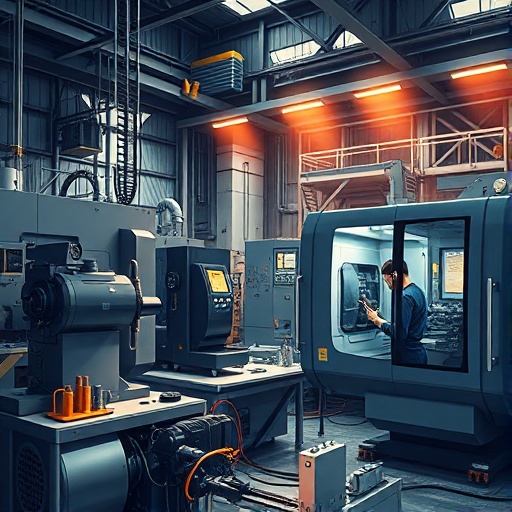
CNC machining revolutionizes precision components in the aerospace sector, allowing machinists to craft intricate parts with unparalleled consistency. Computer numerical control systems direct tools to cut, shape, and finish metals like titanium and aluminum based on digital models. In CNC aerospace machining, operators program multi-axis machines to handle complex contours, essential for components in engines and fuselages. This technique excels in producing high-volume runs of aerospace parts machining, where speed meets exactitude. Engineers benefit from CNC's ability to replicate designs flawlessly, minimizing variations that could compromise safety. Custom aerospace machining via CNC adapts to prototypes or one-off pieces for spacecraft testing. The process integrates seamlessly with CAD software, streamlining workflows from concept to completion. In machining services, CNC reduces setup times and material waste, boosting efficiency in the aerospace industry. Advanced features like adaptive tooling further enhance outcomes, tackling tough materials without compromising integrity. Overall, CNC machining sets the standard for reliability in aerospace engineering, powering innovations that keep aircraft airborne and missions on track.
Milling Techniques for Complex Aerospace Designs
Milling techniques carve out complex aerospace designs, enabling the creation of multifaceted components that defy traditional manufacturing limits. Machinists employ end mills and face mills on CNC platforms to remove material layer by layer, forming slots, pockets, and surfaces vital for aircraft structures. In aerospace machining, these methods shine for their versatility in handling alloys like stainless steel and cobalt, producing parts for turbines and wings. Precision milling ensures smooth finishes that reduce aerodynamic resistance, directly influencing flight performance. Engineers select high-speed milling for intricate geometries in UAV frames or missile casings, where detail dictates functionality. Milling in machining aerospace components often combines dry and wet processes to manage heat, preserving material properties. This technique supports rapid prototyping, allowing quick iterations in aerospace services. With 5-axis milling, machinists access hard-to-reach areas, fabricating monolithic structures that replace welded assemblies for added strength. The adoption of advanced milling tools elevates efficiency, cutting production cycles while upholding quality. Ultimately, milling techniques drive the aerospace industry's push toward lighter, stronger designs that enhance overall engineering prowess.
Utilizing Industrial Automation in Aerospace Manufacturing
Industrial automation transforms aerospace manufacturing by integrating robotics and smart systems into machining processes, slashing errors and accelerating output. Factories deploy automated arms for loading materials and swapping tools, streamlining workflows in CNC operations. In the aerospace industry, this automation ensures consistent precision for parts like engine mounts and turbine blades. Engineers leverage sensors and AI to monitor real-time data, adjusting parameters for optimal results in metal processing. Industrial automation in machining services for aerospace handles repetitive tasks, freeing machinists for creative problem-solving. For high-stakes applications in military aircraft or spacecraft, automated quality checks verify tolerances before assembly. This technology scales production, meeting demands for UAV components or commercial jet fittings without delays. Integration with industrial automation boosts safety, as machines operate in hazardous environments involving hot chips or toxic coolants. Forward-thinking firms invest in modular automation setups, adaptable to evolving designs in space architecture. By enhancing throughput and reliability, industrial automation redefines aerospace engineering, making ambitious projects feasible and cost-effective.
Materials Used in Aerospace Machining
Properties of Titanium and Its Applications
Titanium captivates aerospace engineers with its exceptional strength-to-weight ratio and corrosion resistance, making it ideal for demanding environments. This lightweight metal endures extreme temperatures and stresses, properties honed during machining into airframe sections and fasteners. In aerospace machining services, titanium's biocompatibility and durability suit long-term components like landing gear struts. Machinists tackle its toughness using specialized tools to avoid work-hardening, ensuring clean cuts in CNC processes. Applications span commercial aircraft skins to spacecraft heat shields, where titanium's low thermal expansion prevents warping. Engineers value its weldability for joining complex assemblies in engine casings. Despite higher costs, titanium's longevity offsets expenses in high-performance scenarios, such as military aircraft fuselages. Precision machining reveals titanium's fatigue resistance, crucial for parts under cyclic loading like turbine blades. Innovations in alloying enhance its machinability, broadening use in UAV structures. Titanium's role in aerospace underscores a commitment to materials that balance performance and efficiency, elevating overall engineering standards.
The Advantages of Aluminum and Stainless Steel
Aluminum and stainless steel dominate aerospace machining due to their machinability, affordability, and robust properties tailored for aviation needs. Aluminum's low density lightens aircraft, improving fuel economy in wings and fuselages, while its thermal conductivity aids heat dissipation in electronics housings. Machinists favor aluminum for quick CNC operations, producing castings and extrusions with minimal tool wear. Stainless steel brings superior strength and oxidation resistance, perfect for exhaust systems and structural braces exposed to harsh conditions. In machining services for aerospace, stainless steel's versatility supports custom parts like brackets and shafts in engines. Both materials resist corrosion, extending service life in humid or saline atmospheres common to aircraft operations. Engineers combine them in hybrid designs, leveraging aluminum's lightness with stainless steel's durability for optimal weight distribution. Precision techniques like milling ensure tight tolerances, vital for aerodynamic efficiency. Their recyclability aligns with sustainable practices in the aerospace industry. Aluminum and stainless steel empower machinists to craft reliable components that withstand the rigors of flight, from commercial jets to missiles.
Exploring Cobalt and Tool Steel in Aerospace Components
Cobalt alloys and tool steel fortify aerospace components with their hardness and heat resistance, essential for tools and wear-prone parts. Cobalt's magnetic properties and biocompatibility find use in high-speed cutting tools and superalloy blends for turbine blades. Machinists machine cobalt with carbide inserts to maintain edge sharpness during production of engine internals. Tool steel, rich in iron and carbon, delivers toughness for dies and fixtures in manufacturing setups. In aerospace machining, these materials endure the abrasive forces of processing titanium or aluminum, ensuring consistent quality. Cobalt enhances wear resistance in landing gear bushings, while tool steel supports precision forging of missile housings. Engineers appreciate their ability to retain shape under thermal cycling, critical for spacecraft applications. Advanced heat treatments amplify their performance, allowing thinner profiles without sacrificing strength. Though challenging to machine due to brittleness, specialized CNC techniques yield flawless finishes. Cobalt and tool steel's contributions highlight the aerospace industry's reliance on resilient metals, driving innovations in reliability and longevity for cutting-edge engineering projects.
Applications of Machining in Aerospace
Machining Components for Military Aircraft
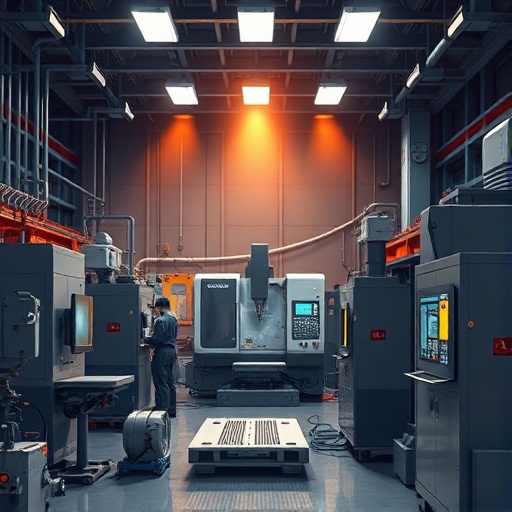
Machining components for military aircraft demands unyielding precision to support missions in hostile environments. Engineers design parts like weapon mounts and radar housings, machined from durable alloys to withstand impacts and electronics interference. In aerospace machining services, CNC processes fabricate armored panels and control surfaces, integrating stealth features with structural integrity. Machinists focus on rapid turnaround for upgrades, ensuring fleets remain operational amid geopolitical shifts. Military aircraft components often incorporate titanium for cockpits and stainless steel for undercarriages, machined to exacting military specs. Precision aerospace machining includes embedded sensors for real-time monitoring, enhancing situational awareness. From fighters to bombers, these machined elements enable supersonic speeds and evasive maneuvers. Custom aerospace machining adapts to classified designs, producing one-off prototypes for testing. The integration of industrial automation speeds production without compromising security protocols. Ultimately, machining elevates military aircraft capabilities, safeguarding national interests through superior engineering and reliability in the field.
The Role of Machining in UAV Development
Machining plays a pivotal role in UAV development, crafting lightweight frames and payloads that enable autonomous flight and surveillance. Engineers rely on CNC machining to shape composites and metals for drone fuselages, optimizing aerodynamics for extended range. In aerospace services, precision milling produces propellers and gimbals, vital for stable imaging in reconnaissance missions. UAV components demand compact designs, machined with tolerances that support miniaturization without losing strength. Aluminum dominates for its ease in rapid prototyping, allowing quick iterations in testing phases. Machinists incorporate features like modular bays for sensors or weapons, enhancing versatility in military and civilian applications. The rise of custom aerospace machining accelerates UAV innovation, from hobbyist models to enterprise swarms. Industrial automation ensures scalability for mass production, meeting demands in border patrol or disaster response. Precision and accuracy in machining UAV parts directly boost endurance and payload capacity. This technology propels the aerospace industry toward smarter, more efficient unmanned systems that redefine aerial operations.
Manufacturing Engine and Turbine Blades
Manufacturing engine and turbine blades requires sophisticated machining to achieve the intricate profiles that drive propulsion efficiency. Engineers specify single-crystal blades from superalloys, machined to channel hot gases with minimal leakage. In aerospace machining, 5-axis CNC mills sculpt airfoils, balancing weight reduction with thermal resilience. Turbine blades endure scorching temperatures, so precision cooling channels are machined internally for longevity. Machinists use diamond-coated tools for cobalt-infused materials, ensuring smooth surfaces that curb turbulence. Engine components like compressor vanes benefit from this expertise, enhancing thrust in jet aircraft and spacecraft. Custom aerospace machining tailors blades for specific engines, from turbofans in commercial planes to rockets in missiles. Quality control involves non-destructive testing to detect micro-flaws post-machining. Industrial automation streamlines the process, coordinating grinding and polishing for mirror finishes. These efforts yield blades that power everything from passenger flights to space exploration, underscoring machining's critical role in aerospace engineering advancements.
Future Trends in Aerospace Machining Services
The Impact of Advanced Technologies on Aerospace Manufacturing
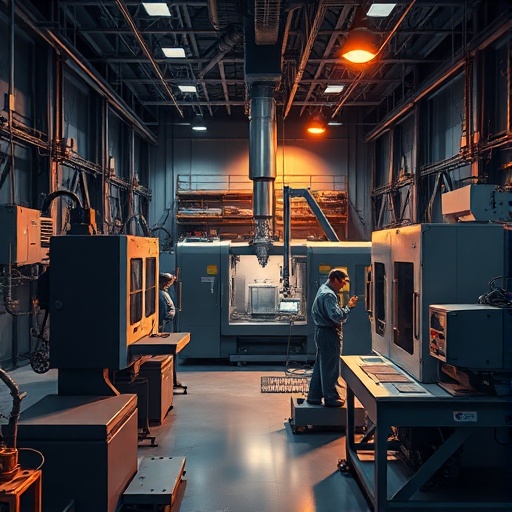
Advanced technologies reshape aerospace manufacturing, infusing machining services with AI, 3D printing, and IoT for unprecedented efficiency. Engineers harness machine learning to predict tool wear in CNC operations, preventing downtime in high-volume production. Hybrid systems combine additive and subtractive machining, building and refining parts like semiconductor-integrated housings in one setup. In the aerospace industry, digital twins simulate machining processes, optimizing designs before physical cuts on metals like tool steel. These innovations accelerate custom aerospace machining for rapid response to market needs, such as UAV variants. Blockchain enhances traceability, ensuring compliance in military aircraft components. Augmented reality guides machinists through complex assemblies, boosting precision and accuracy. Sustainability drives trends like eco-friendly coolants and recycled aluminum, reducing the carbon footprint of aerospace parts machining. As semiconductors evolve, embedded smart chips in machined tools enable real-time adjustments. This technological surge promises faster, greener aerospace services, empowering engineers to tackle ambitious projects with confidence and innovation.
Trends in Space Architecture and Machining Innovations
Trends in space architecture demand machining innovations that support modular habitats and reusable rockets, pushing boundaries in precision fabrication. Engineers design lattice structures from titanium, machined for lightweight strength in orbital stations. CNC aerospace machining evolves with laser-assisted processes, enabling intricate welds and cuts for spacecraft panels. In space architecture, innovations like in-situ machining on the Moon or Mars use robotic arms for on-demand parts, minimizing launch weights. Machinists experiment with new alloys, including cobalt blends, to withstand radiation and vacuum extremes. Precision techniques now incorporate nanotechnology for surface treatments that repel micrometeorites. Custom aerospace machining facilitates scalable production of satellite arrays and propulsion systems. The integration of industrial automation with VR planning streamlines designs for interstellar missions. Trends also emphasize sustainability, recycling metal from defunct satellites into new components. These advancements in machining services for aerospace herald a new era of space exploration, where engineering ingenuity constructs the frameworks of tomorrow's cosmos.
Reliability and Efficiency in Aerospace Machining Processes
Reliability and efficiency anchor aerospace machining processes, ensuring components perform flawlessly under scrutiny. Engineers implement predictive maintenance via sensors, foreseeing failures in milling tools or CNC spindles to sustain uninterrupted runs. Streamlined workflows in machining services for aerospace cut lead times, vital for just-in-time deliveries in aircraft assembly. Reliability stems from standardized protocols that verify every machined part, from engine casings to turbine blades, against specs. Efficiency gains come from energy-optimized machines that process aluminum or stainless steel with less power. In the aerospace industry, lean manufacturing principles eliminate waste, focusing machinists on value-added tasks. Advanced software simulates stress on prototypes, refining designs pre-production for inherent reliability. Custom aerospace machining incorporates modular tooling for quick swaps, enhancing adaptability. As global demands rise, these processes scale without sacrificing quality, supporting expansions in UAV and spacecraft sectors. By prioritizing reliability and efficiency, aerospace engineering achieves cost savings and superior outcomes, solidifying its position as a pinnacle of industrial precision.