Exploring Overmolding Techniques to Enhance Custom Plastic Parts
Understanding Overmolding Techniques
What is Overmolding?
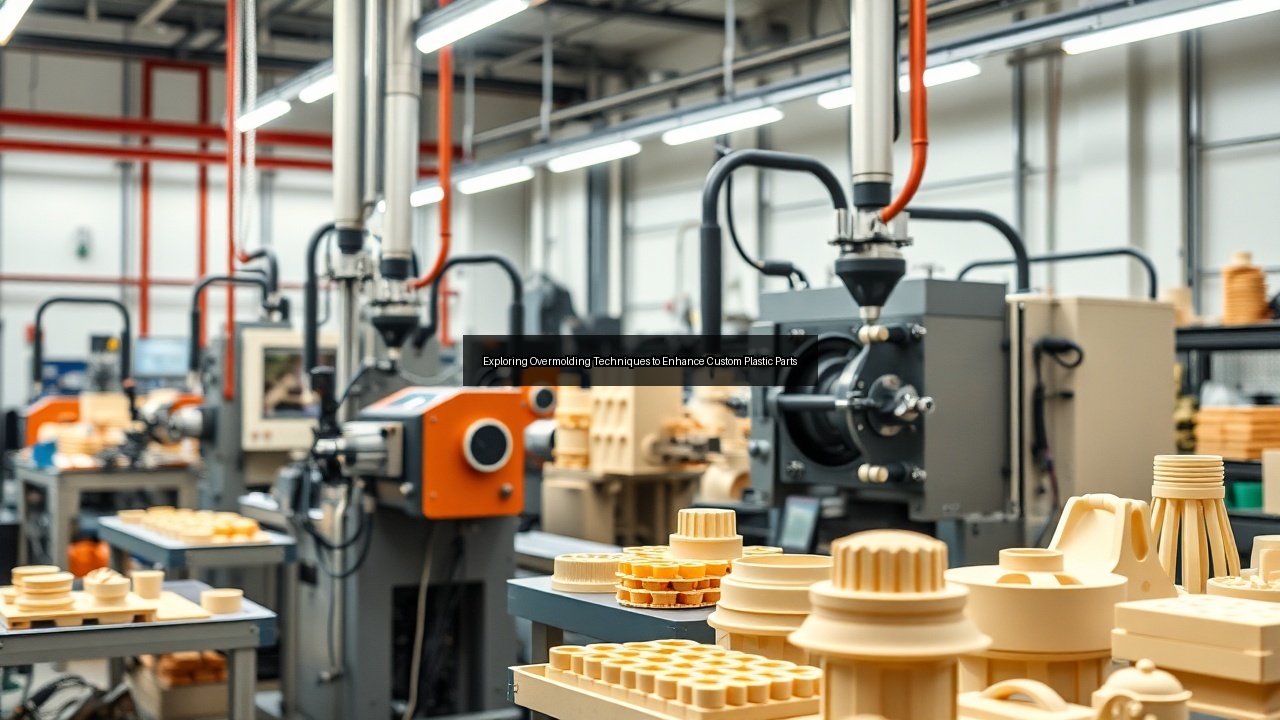
Overmolding transforms custom plastic molding by layering one material over another to create durable, multifunctional parts. Manufacturers start with a substrate, often a rigid plastic core, and inject a second material, like a softer elastomer, directly onto it. This process bonds the layers chemically or mechanically, resulting in seamless integration that enhances grip, seals, or aesthetics. In custom plastic molding projects, overmolding excels for products needing combined properties, such as tool handles with rubberized grips or medical devices with biocompatible surfaces. Unlike traditional molding, overmolding allows precise control over material interfaces, minimizing weak points. Engineers design the injection mold to accommodate multiple shots, ensuring the first layer solidifies before the second application. This technique supports complex geometries that single-material injection molding struggles to achieve. For instance, automotive components often use overmolding to add vibration-dampening layers to plastic bases. As industries demand lighter yet stronger parts, overmolding integrates seamlessly with custom mold designs, offering versatility in plastic parts production. It also pairs well with rapid prototyping methods like 3D printing for initial tool creation, speeding up development in custom molding workflows.
Benefits of Overmolding in Custom Plastic Parts
Overmolding delivers key advantages in custom plastic molding, starting with improved durability and functionality. By combining rigid and flexible materials, parts withstand impacts better than single-material alternatives, reducing failure rates in demanding applications like consumer electronics or industrial tools. This technique enhances ergonomics; soft-touch overmolds provide comfortable grips on handles or buttons, boosting user satisfaction in custom plastic products. Manufacturers achieve cost savings through consolidated assembly—overmolding eliminates the need for separate bonding steps, streamlining production lines. In plastic injection molding, overmolding ensures tight seals against water or dust, ideal for outdoor gear or seals in machinery. It also allows vibrant color combinations and textures, elevating design appeal without post-processing. For custom molding runs, overmolding supports scalability from prototypes to high-volume output, using the same injection molds. Environmental benefits emerge too; precise material use cuts waste compared to multi-part assemblies. Engineers leverage overmolding for vibration isolation in automotive plastic parts, extending component life. Overall, this method refines custom plastic molding by merging aesthetics, performance, and efficiency into one robust process.
Common Materials Used in Overmolding
Common materials in overmolding drive the success of custom plastic molding by matching substrate and overmold properties for optimal bonding. Thermoplastics like polycarbonate or ABS form strong bases, while overmolds often use thermoplastic elastomers (TPE) for flexibility. These pairings ensure adhesion without adhesives, crucial for injection molded parts. Liquid silicone rubber (LSR) shines in overmolding for its biocompatibility and heat resistance, perfect for medical or food-contact custom plastic parts. Polypropylene pairs well with TPE for automotive applications, offering chemical resistance. Material selection considers factors like durometer hardness—firmer bases with softer overmolds create balanced functionality. In custom mold designs, engineers test compatibility to avoid delamination under pressure or temperature swings. Nylon overmolds on metal inserts add toughness to tools, while PVC provides cost-effective seals. Sustainability pushes recycled thermoplastics into overmolding, maintaining quality in eco-friendly plastic molding. Advanced options like conductive TPE enable electronic integration in custom parts. By choosing materials aligned with end-use, overmolding elevates plastic injection molding precision and longevity.
Types of Overmolding Processes
Insert Molding vs. Overmolding
Insert molding and overmolding both enhance custom plastic molding but differ in execution and outcomes. Insert molding embeds pre-formed components, like metal threaded inserts or circuits, into a plastic base during injection molding. Workers place the insert into the injection mold cavity before injecting molten plastic, which encases it for a secure hold. This suits applications needing reinforcement, such as electrical connectors in custom plastic parts. Overmolding, however, applies a second plastic layer over an existing molded substrate, focusing on surface enhancement rather than embedding. It builds on the base part without altering its core structure, ideal for adding grips or seals. While insert molding excels in hybrid material assemblies, overmolding prioritizes seamless multi-layer plastics. Both use injection molds, but overmolding demands precise temperature control for bonding. In custom molding, insert molding reduces assembly steps for threaded components, whereas overmolding improves aesthetics and ergonomics. Comparing costs, insert molding handles diverse materials like metal and plastic, but overmolding streamlines all-plastic builds. Industries choose based on needs—electronics favor inserts for conductivity, while consumer goods lean on overmolding for feel. Understanding these distinctions optimizes custom plastic molding strategies.
Injection Molding: A Closer Look
Injection molding forms the backbone of overmolding in custom plastic molding, where high-pressure injection fills intricate molds with precision. Machines melt thermoplastic pellets and force them into cooled steel or aluminum injection molds, solidifying shapes in seconds. For overmolding, the process repeats: the first shot creates the substrate, then a second mold half applies the overmold material. This multi-step injection ensures molecular bonding, vital for durable plastic parts. Custom mold design incorporates cooling channels and ejector pins for efficiency. Engineers adjust parameters like injection speed and pressure to prevent defects in molded plastic. Unlike 3D printing, which builds layer-by-layer, injection molding produces high-volume runs with consistent tolerances. In custom plastic molding, it supports complex features like undercuts via side actions. Sustainability improves with bio-based thermoplastics in injection processes. Tool maintenance keeps injection molds sharp, ensuring accuracy over thousands of cycles. This method powers industries from toys to aerospace, delivering scalable, cost-effective plastic injection molding solutions.
Thermoforming for Custom Plastic Parts
Thermoforming complements overmolding in custom plastic molding by shaping heated sheets over molds for large, shallow parts. Unlike injection molding's high-pressure fill, thermoforming stretches warmed thermoplastic films—such as PET or ABS—over a tool using vacuum or pressure. This creates lightweight custom plastic parts like packaging or automotive panels, often at lower tooling costs than injection molds. In overmolding workflows, thermoformed bases receive injected overmolds for added functionality, blending processes for hybrid designs. Custom molding benefits from thermoforming's speed; cycles run under a minute, suiting prototypes before full injection runs. Material selection favors thin-gauge sheets for clarity or thick ones for rigidity. Post-forming trimming refines edges, while integration with threaded inserts strengthens assemblies. Compared to 3D printing, thermoforming scales better for medium volumes without support structures. Quality hinges on even heating to avoid thinning. For custom plastic parts in displays or enclosures, thermoforming offers economical entry into overmolding-enhanced production, balancing cost and customization.
Materials in Custom Plastic Molding
Choosing the Right Thermoplastic Materials
Choosing thermoplastic materials shapes the outcome of custom plastic molding, balancing strength, flexibility, and cost for specific applications. Popular options include ABS for impact resistance in consumer goods, polycarbonate for transparency in lenses, and nylon for wear-prone parts like gears. In overmolding, substrate thermoplastics must bond well with overmold layers, guiding material selection toward compatible pairs like PP with TPE. Engineers evaluate properties: melt flow index affects injection molding fill, while UV stability suits outdoor plastic parts. Custom mold designs accommodate material shrinkage, ensuring dimensional accuracy. Sustainability drives choices toward recycled or bio-thermoplastics, reducing environmental impact without sacrificing performance. For high-heat needs, PEEK offers superior tolerance in aerospace custom molding. Testing prototypes via 3D printing validates selections before committing to injection molds. Cost factors in; commodity plastics like polyethylene keep pricing low for high-volume runs. Ultimately, right thermoplastic choices enhance overmolding integrity, delivering robust, tailored plastic injection molding results.
The Role of Liquid Silicone Rubber
Liquid silicone rubber (LSR) plays a pivotal role in custom plastic molding, especially overmolding, due to its flexibility and biocompatibility. Injected as a two-part liquid that cures rapidly, LSR overmolds onto thermoplastics like nylon or PBT, creating soft, sealed surfaces for medical devices or kitchen tools. Its high tear strength and temperature resistance—up to 200°C—outperform many TPEs in demanding environments. Custom molding leverages LSR's low viscosity for intricate details in injection molds, filling fine textures without voids. Unlike solid rubbers, LSR enables flash-free parts, improving aesthetics in plastic injection molding. Material selection pairs LSR with substrates via primer for adhesion, preventing peel in water-exposed applications. In automotive seals, LSR overmolds dampen noise effectively. Processing requires precise metering to mix components, integrating with multi-material injection machines. For custom plastic parts, LSR adds value through FDA approval for food contact. Compared to thermoforming, LSR injection offers tighter tolerances. This material elevates overmolding versatility, ensuring durable, user-friendly outcomes.
Advantages of Using Threaded Inserts
Threaded inserts revolutionize custom plastic molding by providing robust metal threads in plastic parts for secure fastening. During insert molding, brass or stainless steel inserts place into the injection mold before plastic encases them, creating strong anchors without drilling. This avoids thread stripping in soft thermoplastics, ideal for electronics housings or furniture components. Overmolding enhances inserts with protective layers, sealing against corrosion in humid environments. Custom molding benefits from reduced assembly time—parts arrive ready-to-screw, cutting labor costs. Material selection matches insert alloys to plastic types for thermal expansion compatibility, preventing cracks under pressure. In high-volume plastic injection molding, automated insert placement boosts efficiency. Compared to self-tapping screws, inserts offer reusable threads, extending product life. For bridge structures in custom plastic parts, multiple inserts distribute loads evenly. Quality control verifies insert alignment via ultrasonic testing. Overall, threaded inserts strengthen overmolding designs, enabling reliable joins in diverse applications.
Precision and Quality Control in Molding
Ensuring Accuracy in Injection Molds
Ensuring accuracy in injection molds demands meticulous design and maintenance in custom plastic molding. CNC machining crafts molds from tool steel with tolerances under 0.01mm, capturing fine details for overmolded features. Cooling lines distribute heat evenly, preventing warpage in thermoplastic flows. Custom mold makers simulate fills using software to predict air traps or knit lines. During production, calipers and CMMs measure parts against specs, adjusting clamp pressure for consistency. Overmolding adds complexity; sequential gating controls material timing for bond integrity. Material selection influences accuracy—low-shrink polymers like PC maintain shapes better. Integrating 3D printing for mold inserts speeds iterations without full retooling. Regular polishing removes buildup, sustaining injection mold performance. In plastic parts for precision instruments, accuracy ensures functionality. Bridge tools test designs before final molds. This focus on precision elevates custom plastic molding reliability across runs.
Quality Control Measures in Plastic Injection Molding
Quality control measures in plastic injection molding safeguard custom plastic parts from defects, starting with raw material inspections for purity and consistency. Visual checks and spectrometry verify thermoplastic batches, preventing inclusions that mar overmolds. Process monitoring uses sensors for temperature, pressure, and cycle times, alerting to deviations in real-time. Statistical process control charts track dimensions, ensuring overmolding bonds meet pull-test standards. Post-molding, automated vision systems detect flashes or sinks on injection molded parts. For threaded inserts, torque tests confirm hold strength. Custom molding incorporates SPC to minimize scrap, optimizing tool life. Logistics integrate QC with shipping, using barcodes for traceability. Compared to thermoforming, injection's closed molds yield higher repeatability. Training operators on mold handling reduces human error. These measures uphold accuracy, delivering defect-free plastic injection molding outputs that satisfy stringent industry standards.
The Impact of Pressure on Molding Quality
Pressure profoundly impacts molding quality in custom plastic molding, dictating material flow and part integrity. In injection molding, high injection pressure—up to 20,000 psi—forces thermoplastics into mold cavities, filling thin walls without short shots. Overmolding requires balanced pressures to avoid substrate deformation during secondary shots. Excessive pressure causes flashing or burns, while insufficient leads to voids, compromising overmold adhesion. Engineers calibrate via rheology studies, matching pressure to material viscosity. For LSR, lower pressures suffice due to low resistance, enabling delicate features. Custom mold vents release trapped air, preventing pressure spikes that warp plastic parts. In high-volume runs, hydraulic systems maintain consistent clamping to counter injection forces. Pressure also affects cooling; uniform distribution ensures even solidification. Testing prototypes under varied pressures refines settings, integrating with rapid tooling. Poor control risks delamination in multi-material designs. Mastering pressure optimizes plastic injection molding, yielding precise, high-quality custom plastic parts.
Logistics and Cost Considerations

Pricing Factors in Custom Plastic Molding
Pricing factors in custom plastic molding hinge on volume, complexity, and material choices, influencing overall project budgets. Low-volume runs favor rapid tooling, keeping initial costs under $5,000 versus $50,000 for production injection molds. Material pricing
See Also
- Understanding the Costs of Custom Plastic Molding and How to Budget Effectively
- Injecting Quality How Precision Matters in Custom Plastic Molding
- Threaded Inserts and Their Impact on Custom Plastic Molding Durability
- Navigating Logistics for Efficient Custom Plastic Molding Deliveries
- Rapid Tooling in Custom Plastic Molding Speeding Up Your Production Process