Exploring the Versatility of 5000 Pound Hub Blind Flanges in Heavy Industries

Understanding 5000 Pound Hub Blind Flanges and Their Functionality
Definition and Basic Characteristics of Hub Blind Flanges
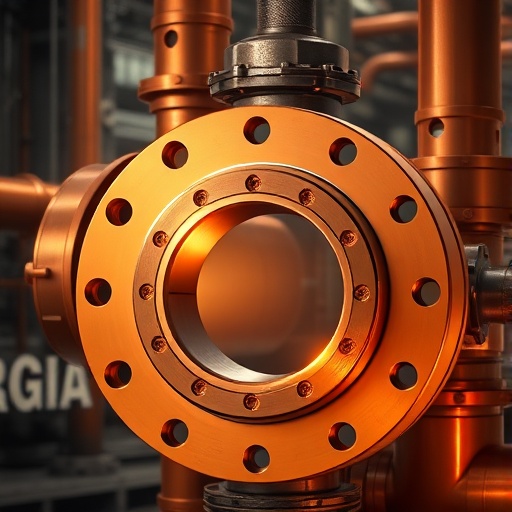
Hub blind flanges serve as essential components in piping systems, designed to seal off the ends of pipes or valves without allowing flow. A 5000 pound hub blind flange, often referred to as a 5k flange or 5000 lb hub blind, features a solid disk with a hub that integrates seamlessly with the pipe flange. This design provides robust support and alignment during assembly. Unlike open-ended fittings, these blind flanges block access completely, making them ideal for pressure testing and isolation in high-stakes environments. The hub portion raises the flange face, enhancing strength and facilitating welding to the pipe. Engineers specify these flanges for their ability to withstand extreme pressures up to 5000 pounds per square inch, ensuring safety in demanding applications. Material thickness and precise machining define their basic characteristics, with the blind plate preventing leaks or contamination. In the petroleum industry, such hub blind flanges outperform standard blinds by offering superior load distribution. Users often pair them with ring type joint gaskets for a tight seal, emphasizing their role in maintaining system integrity. Overall, the 5000 pound hub blind flange stands out for its durability and versatility in heavy-duty setups.
Comparison with Other Types of Flanges
Engineers frequently compare the 5000 pound hub blind flange to other pipe flanges to select the best fit for specific projects. Weld neck flanges, for instance, connect directly to pipes via welding but allow flow, unlike the solid blind design that seals endpoints. Slip-on flanges slide over the pipe for easier installation but lack the hub's raised support, making them less suitable for high-pressure scenarios where a 5000 lb hub blind excels. Socket weld flanges offer strength similar to hub types yet require precise pipe insertion, contrasting the blind flange's simplicity in blocking lines. Threaded flanges avoid welding altogether, ideal for temporary setups, but they fall short in corrosion resistance compared to forged hub blind flanges. Lap joint flanges, used with stub ends, provide flexibility in alignment but demand more components than a straightforward hub blind. In terms of pressure ratings, the 5000 pound variant surpasses low-pressure blinds or spectacle blinds, which serve dual purposes but compromise on sealing force. Hub flanges generally provide better stress distribution than flat-faced options, reducing deformation risks. This comparison highlights why industries favor the 5000 pound hub blind flange for its balance of strength, ease of use, and reliability in pipe fittings.
Moreover, when evaluating cost and longevity, hub blind flanges often justify their investment over cheaper alternatives like cast iron flanges, which corrode faster. The integral hub design minimizes leaks, a common issue with raised face flanges under vibration. Professionals in oil drilling operations prefer these over long weld neck types for blind applications due to shorter lengths and simpler handling. Ultimately, the choice boils down to operational demands, with the 5000 pound hub blind flange emerging as a top contender for sealing high-pressure tubing systems.
Applications in Heavy Industries
Heavy industries rely on the 5000 pound hub blind flange for critical sealing tasks across diverse sectors. In the petroleum industry, these flanges cap off unused pipeline branches, preventing pressure buildup and ensuring safe operations. Chemical plants use them to isolate reactors during maintenance, where their high-pressure rating handles corrosive fluids without failure. Power generation facilities install hub blind flanges on steam lines to facilitate testing and shutdowns, leveraging their robust construction for thermal stability. Shipbuilding incorporates these pipe flanges in bilge and ballast systems, where space constraints demand compact, high-strength solutions. Mining operations employ 5000 lb hub blinds to seal slurry pipes, resisting abrasion from heavy materials. The versatility extends to water treatment plants, where they block filtration lines during cleaning cycles. In aerospace manufacturing, though less common, specialized hub flanges secure hydraulic tubing under extreme conditions. These applications underscore the flange's adaptability, often integrated with pipe fittings for modular assemblies. Maintenance crews appreciate their ease of removal, reducing downtime in fast-paced environments. As industries evolve, the demand for such reliable components grows, solidifying the 5000 pound hub blind flange's role in enhancing operational efficiency and safety.
Furthermore, in construction of large-scale infrastructure like refineries, these flanges support temporary blinding during hydrotesting, ensuring compliance with standards. Their presence in heavy industries not only prevents accidents but also optimizes resource use by allowing precise control over fluid dynamics in pipes and tubing.
Material Composition and Manufacturing Processes

Forge Techniques for High-Strength Flanges
Manufacturers employ advanced forge techniques to produce high-strength 5000 pound hub blind flanges that endure rigorous conditions. Forging begins with heating steel billets to malleable temperatures, then shaping them under hydraulic presses to form the hub and blind plate. This process aligns the grain structure, boosting tensile strength far beyond cast alternatives. For hub blind flanges, open-die forging ensures uniform thickness, critical for pressure containment in pipe systems. Closed-die methods refine the hub's contours, creating seamless transitions that reduce stress concentrations. Alloy steels like ASTM A105 dominate, offering weldability and toughness for petroleum industry demands. Heat treatment follows forging, including normalizing and quenching to enhance hardness. Precision machining trims excess material, ensuring the flange face meets flatness tolerances for gasket seating. These techniques yield flanges capable of 5000 psi ratings, essential for oil drilling rigs. Compared to rolling or extrusion, forging minimizes defects like voids, guaranteeing reliability in high-stakes applications. Innovations in upset forging allow for thicker hubs, improving attachment to pipes and tubing. Quality flanges emerge from this meticulous process, ready for integration into complex pipe fittings assemblies.
Skilled operators monitor temperature gradients to avoid cracking, while computer-aided design optimizes die shapes for efficiency. The result? Durable 5000 pound hub blind flanges that outperform imported castings in longevity and performance.
Corrosion Resistance: Material Choices for Longevity
Selecting materials with superior corrosion resistance defines the longevity of 5000 pound hub blind flanges in harsh environments. Carbon steel forms the base for many hub blind flanges, but alloying with chromium and molybdenum elevates resistance against pitting and crevice corrosion in the petroleum industry. Stainless steel grades like 316L provide excellent safeguards in acidic conditions, preventing degradation in oilfield applications. Duplex stainless steels combine austenitic and ferritic structures for unmatched strength and corrosion protection, ideal for offshore tubing systems. Nickel alloys, such as Inconel, handle extreme temperatures and sulfidic environments without succumbing to stress corrosion cracking. Coatings like epoxy or galvanizing add layers of defense, extending service life in saline exposures. Material choices directly impact the flange's ability to maintain seals with ring type joint gaskets under corrosive assaults. Engineers prioritize low-carbon variants to avoid sensitization during welding, ensuring sustained integrity in pipe flanges. Testing per ASTM standards verifies resistance, simulating real-world exposures. These strategic selections make 5000 lb hub blind flanges indispensable for long-term reliability in heavy industries, minimizing replacements and downtime.
In practice, combining material alloys with proper design mitigates galvanic corrosion when interfacing with dissimilar metals in pipe fittings. This proactive approach safeguards investments in critical infrastructure.
Quality Control in Flange Production
Quality control permeates every stage of 5000 pound hub blind flange production, ensuring compliance with industry standards like ASME B16.5. Ultrasonic testing detects internal flaws in forgings, while magnetic particle inspection identifies surface cracks on hubs and blind plates. Dimensional checks using coordinate measuring machines verify bore sizes and bolt hole patterns, crucial for mating with pipe flanges. Hydrostatic pressure tests simulate operational loads up to 5000 psi, confirming leak-proof performance. Material certification traces alloys from raw stock to finished product, guaranteeing corrosion resistance specs. Visual inspections scout for defects like undercuts or incomplete forgings, rejecting subpar items. Non-destructive evaluation techniques, including radiography, scrutinize weld zones in hub attachments. Statistical process control monitors forging parameters, reducing variability in flange thickness. Certification bodies audit facilities to uphold ISO 9001 protocols, fostering trust in pipe fittings suppliers. These rigorous measures prevent failures in oil drilling operations, where a single flaw could cascade into major incidents. End-users benefit from traceable, high-quality 5000 pound hub blind flanges that integrate flawlessly into tubing and pipeline systems.
Digital logging of inspections enables quick recalls if issues arise, while ongoing training for personnel sharpens expertise. This comprehensive quality framework elevates the reliability of hub blind flanges across heavy industries.
The Role of 5000 Pound Hub Blind Flanges in Oil and Gas Applications
Integration with Oilfield Christmas Trees
In oil and gas operations, the 5000 pound hub blind flange integrates seamlessly with oilfield Christmas trees, providing secure isolation at wellhead assemblies. Christmas trees manage flow from reservoirs, and hub blinds cap off unused valves or branches, preventing pressure escapes during testing phases. The flange's hub aligns perfectly with tree stubs, allowing bolting without misalignment strains. High-pressure ratings ensure compatibility with subsea or onshore trees handling sour gas, where corrosion resistance proves vital. Technicians install these blinds to facilitate workover procedures, sealing tubing heads efficiently. Ring type joint gaskets enhance the connection, creating a metal-to-metal seal that withstands vibrations from production activities. In frac operations, 5k hub blind flanges isolate sections of the tree, enabling safe pressure builds. This integration reduces leak risks, a common hazard in petroleum industry setups. Maintenance schedules incorporate blind flange inspections to verify bolt torques and gasket integrity. Overall, these components fortify Christmas tree reliability, supporting uninterrupted hydrocarbon extraction. Engineers design systems around such flanges for modularity, allowing quick adaptations to changing well conditions.
Case studies from major fields demonstrate how hub blind flanges extend tree lifespans, cutting operational costs through preventive sealing.
Use in Oil Drilling Operations
Oil drilling operations depend on 5000 pound hub blind flanges to manage high-pressure challenges during rig activities. These flanges seal blowout preventer stacks, isolating the wellbore to control influxes and maintain safety. On rotary tables, hub blinds cap auxiliary lines, preventing mud or gas leaks amid intense drilling vibrations. Their forged construction absorbs shocks from bit impacts, ensuring stable pipe connections. In directional drilling, blinds facilitate pressure testing of drill strings, verifying tubing integrity before deeper penetrations. Corrosion protection coatings shield flanges from drilling fluids laced with chlorides. Crews use 5000 lb hub blind flanges in kill lines to block returns during well control, a critical step in managing kicks. The design accommodates quick make-up with hubs on BOPs, speeding up emergency responses. In offshore platforms, these pipe flanges endure saltwater exposure while sealing riser joints. Training emphasizes proper torquing to avoid over-stressing, preserving flange performance. This application highlights the 5000 pound hub blind flange's pivotal role in enhancing drilling safety and efficiency across global operations.
Statistics show reduced incident rates in rigs employing standardized hub blind flanges, underscoring their value in risk mitigation for the petroleum industry.
Importance in Pipeline and Tubing Systems
Pipeline and tubing systems in oil and gas leverage 5000 pound hub blind flanges for end capping and sectional isolation. These flanges terminate transmission lines, preventing backflow and enabling hydrostatic testing before commissioning. In gathering systems, hub blinds seal off laterals during phased developments, optimizing flow dynamics. Their high rating handles surge pressures from pump stations, safeguarding pipe integrity. Tubing hangers in completions use blinds to isolate annuli, controlling reservoir fluids effectively. Corrosion resistance materials combat internal scaling and external soil aggressors, extending system life. Installation with pipe fittings ensures leak-free transitions, vital for transporting crude or natural gas. During pigging operations, blinds provide access points for launcher receivers, facilitating cleaning without full shutdowns. Regulatory compliance demands these flanges in high-pressure zones, like those near refineries. Maintenance involves periodic gasket replacements to uphold seals in ring type joint configurations. The importance of 5000 pound hub blind flanges lies in their contribution to system reliability, minimizing spills and operational halts in expansive networks.
Future expansions in shale plays will amplify their use, as modular tubing designs incorporate more blind endpoints for flexibility.
Best Practices for Installation and Maintenance
Selecting the Right Gaskets for Hub Blind Flanges
Selecting the right gaskets elevates the performance of 5000 pound hub blind flanges in sealing applications. Spiral-wound gaskets, filled with graphite or PTFE, suit high-pressure environments, compressing to fill irregularities on flange faces. For ring type joint setups common with hub blinds, soft iron or stainless rings provide metal-to-metal sealing, ideal for oil drilling pressures. Consider fluid compatibility; Viton elastomers resist hydrocarbons in petroleum industry pipes, while non-asbestos compressed sheets handle general duties. Thickness matters—1/8-inch gaskets balance compression without extrusion under 5000 psi loads. Surface finish of the flange dictates choice; smooth hubs pair with flat rings, while grooved faces demand RTJ variants. Torque calculations ensure even loading, preventing gasket crush. Avoid mismatches that lead to leaks, as seen in mismatched blind flange pairings. Suppliers offer certified options meeting API standards, ensuring traceability. Regular audits of gasket inventories prevent subpar selections. Proper choices extend maintenance intervals, safeguarding pipe flanges in corrosive tubing systems. This practice not only boosts efficiency but also complies with safety protocols in heavy industries.
Consulting manufacturer specs and conducting compression tests refines selections for specific hub blind flange configurations.
Installation Techniques for Optimal Performance
Installation techniques for 5000 pound hub blind flanges demand precision to achieve optimal performance in pipe systems. Begin by cleaning mating surfaces, removing debris that could compromise seals. Align the hub with the pipe stub using alignment pins, ensuring bolt holes match without forcing. Apply anti-seize to studs for easy future disassembly, then torque bolts in a star pattern to distribute loads evenly—typically 200-300 ft-lbs for 5000 lb ratings. Use calibrated tools to hit specs, avoiding over-torquing that warps the blind plate. For welded hubs, perform full-penetration welds per ASME codes, followed by non-destructive testing. In vertical installations, support the flange to counter weight stresses on tubing. Integrate with pipe fittings by verifying pressure classes match across assemblies. Post-installation, conduct leak tests with nitrogen to confirm integrity before energizing lines. Training riggers on these steps reduces errors in oilfield setups. Proper techniques minimize downtime and enhance the longevity of hub blind flanges in demanding environments.
Documenting torque sequences and weld maps aids in audits, while modular carts facilitate transport and positioning during installs.
Corrosion Protection Measures
Corrosion protection measures protect 5000 pound hub blind flanges from environmental degradation in heavy industries. Apply fusion-bonded epoxy coatings to exteriors, creating barriers against moisture and salts in offshore petroleum applications. Cathodic protection systems, using sacrificial anodes, prevent galvanic action on buried pipe flanges. Internal linings like Teflon coat bores where applicable, though blinds focus on external threats. Regular inspections via ultrasonic thickness gauging detect early pitting on hubs. Inhibitor injections in adjacent tubing slow corrosive agents, indirectly benefiting flanges. Select materials with inherent resistance, such as duplex stainless, for aggressive soils. Painting schemes follow NACE standards, with multiple layers for UV and chemical exposure. During storage, wrap flanges in VCI paper to inhibit rust pre-installation. Maintenance protocols include annual cleaning and recoating, extending service beyond a decade. These measures ensure 5000 lb hub blind flanges maintain pressure ratings, reducing failure risks in pipeline systems.
Integrating protection with design, like oversized hubs for coating thickness, optimizes outcomes in oil and gas operations.
Future Trends and Innovations in Flange Technology

Advancements in Pipe Fittings and Flange Design
Advancements in pipe fittings and flange design propel the evolution of 5000 pound hub blind flanges toward smarter, more efficient solutions. 3D printing enables custom hub geometries, reducing material waste and tailoring to specific tubing configurations. Finite element analysis refines stress modeling, allowing lighter yet stronger blind plates for oil drilling. Smart sensors embedded in flanges monitor torque and pressure in real-time, alerting to anomalies via IoT platforms. Hybrid designs combine hub blinds with quick-connect mechanisms, speeding installations in modular pipe systems. Additive manufacturing of corrosion-resistant alloys enhances longevity without traditional forging limits. Flanged connections now incorporate self-sealing gaskets that activate under pressure, minimizing leaks in high-vibe environments. Nanotechnology coatings provide superior protection, repelling fluids at molecular levels. These innovations address petroleum industry challenges like deeper wells requiring higher ratings. Collaborative R&D between suppliers and operators drives standardization of 5k flange variants. The result? Versatile hub blind flanges that integrate seamlessly into future pipe fittings, boosting operational agility.
Prototypes demonstrate 20% weight reductions without sacrificing 5000 psi integrity, revolutionizing transport and handling with carts.
Impact of Industry Regulations on Flange Manufacturing
Industry regulations profoundly impact flange manufacturing, shaping standards for 5000 pound hub blind flanges. API 6A mandates stringent testing for oilfield components, ensuring hub designs withstand H2S exposure in sour services. ASME B16.47 updates pressure classes, compelling manufacturers to enhance blind flange thicknesses for larger bores. Environmental regs like REACH push for lead-free materials, favoring eco-friendly alloys in corrosion protection. OSHA guidelines enforce worker safety in forging processes, reducing accident risks during production. Global harmonization via ISO standards streamlines certifications, easing cross-border trade in pipe flanges. Regulations on traceability require digital marking on hubs, aiding recalls in petroleum supply chains. Emission controls influence coating applications, promoting low-VOC options for sustainability. Compliance drives innovation, like automated quality checks to meet tighter tolerances. Manufacturers invest in audits to stay ahead, ensuring 5000 lb hub blind flanges align with evolving safety norms. This regulatory framework not only elevates product quality but also builds trust in heavy industry applications.
Anticipating changes, such as carbon footprint mandates, prepares firms for greener flange production in tubing systems.
Sustainable Practices in Flange Production
Sustainable practices transform flange production, making 5000 pound hub blind flanges more environmentally friendly. Recycling scrap steel reduces raw material demands, closing loops in forge operations for pipe fittings. Energy-efficient induction heating cuts emissions compared to traditional furnaces, aligning with green standards in the petroleum industry. Waterless machining and biodegradable lubricants minimize waste in quality control. Sourcing conflict-free alloys supports ethical supply chains, while life-cycle assessments guide design for recyclability. Solar-powered facilities lower carbon footprints in manufacturing hubs. Certifications like ISO 14001 verify eco-compliance, appealing to sustainability-focused clients. Reusing dies extends tool life, curbing resource extraction. In oil and gas, sustainable flanges incorporate bio-based coatings for corrosion resistance, reducing chemical runoff. These practices not only conserve resources but also lower costs through efficiency gains. Forward-thinking producers track metrics like water usage per flange, driving continuous improvements. The shift toward sustainability ensures hub blind flanges contribute positively to long-term industry viability.
Partnerships with recyclers and adoption of circular economy models position manufacturers as leaders in eco-conscious flange technology.
See Also
- Maximizing Performance with 5000 Pound Hub Blind Flanges in the Petroleum Sector
- Innovative Uses of 5000 Pound Hub Blind Flanges in Modern Pipe Fitting Projects
- How 5000 Pound Hub Blind Flanges Ensure Safety in Oilfield Operations
- The Essential Role of 5000 Pound Hub Blind Flanges in Corrosion Resistance Solutions