The Backbone of Efficiency How Hydraulic Machined Parts Drive Performance
Understanding Hydraulic Machined Parts
What Are Hydraulic Machined Parts?
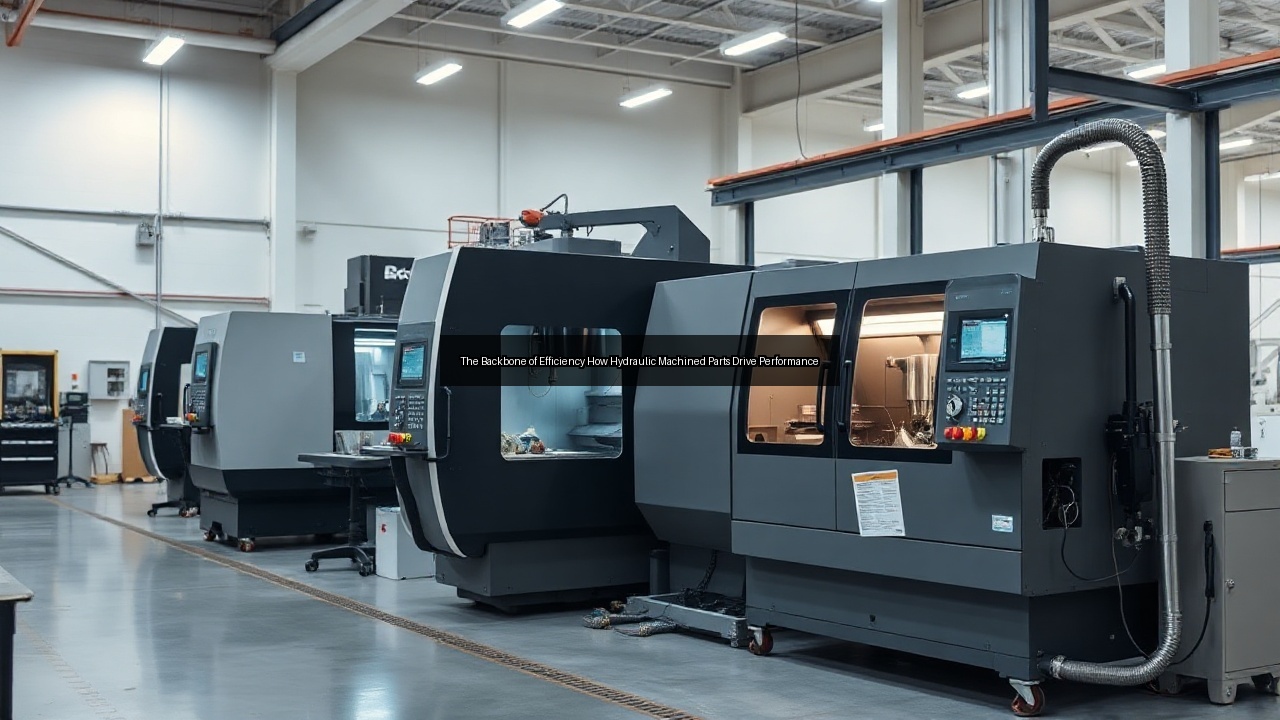
Hydraulic machined parts form the core components that power fluid-based systems across industries. These precision-engineered elements convert pressurized fluid into mechanical force for lifting, pressing, and moving heavy loads. Manufacturers produce them through exacting processes that ensure tight tolerances and leak-free performance under extreme pressures. Hydraulic machined parts include pistons, valves, cylinders, and fittings that integrate seamlessly into larger assemblies. Every piece undergoes rigorous inspection to maintain dimensional accuracy and surface finish. Companies seeking a reliable hydraulic machined parts manufacturer prioritize suppliers who deliver consistent quality for demanding applications like construction equipment and industrial presses. The right parts directly influence system longevity and operational reliability.
Beyond basic functionality, hydraulic machined parts must withstand cyclic loading, temperature fluctuations, and exposure to various hydraulic fluids without degradation. For instance, a piston rod in a hydraulic cylinder might operate at pressures exceeding 5,000 psi while maintaining a surface finish of 0.4 micrometers Ra to ensure optimal seal performance. This level of engineering prevents common issues like scoring or fluid bypass, which could otherwise lead to catastrophic equipment failure in remote locations such as offshore drilling rigs.
The Role of Hydraulic Systems in Modern Machinery
Hydraulic systems deliver unmatched power density in equipment ranging from excavators to aircraft landing gear. Fluid under pressure transmits force through hoses and actuators, enabling smooth and controlled motion that electric or mechanical alternatives often cannot match. Machined hydraulic parts sit at the heart of these systems, managing flow, pressure, and direction with minimal friction. Proper design prevents energy loss and overheating while supporting high-cycle operations. Industries rely on these systems for their ability to handle variable loads without bulky gearboxes. When hydraulic machined parts receive accurate machining, the entire system achieves peak responsiveness and reduced maintenance intervals.
In sectors like mining and agriculture, hydraulic systems provide the torque and force multiplication necessary for tasks such as breaking rock or operating large implements. The integration of machined components like directional control valves allows operators to achieve precise positioning, often within millimeters, enhancing both safety and productivity. Compared to pneumatic systems, hydraulics offer superior stiffness and load-holding capability, making them indispensable in applications where failure is not an option.
Key Materials Used in Hydraulic Machining
Steel alloys, stainless variants, aluminum, and specialized bronzes dominate hydraulic machined parts production. Each material offers distinct advantages in strength, corrosion resistance, and weight. High-strength steels withstand extreme pressures in heavy machinery, while aluminum components reduce overall system mass in mobile applications. Manufacturers select materials based on fluid compatibility and environmental conditions to prevent premature wear. Surface treatments such as hardening and plating further extend service life. A skilled hydraulic machined parts manufacturer evaluates these factors during material selection to optimize both performance and cost.
Advanced alloys like 17-4 PH stainless steel are frequently chosen for valve spools due to their excellent combination of hardness and corrosion resistance in aggressive environments. Meanwhile, ductile iron castings machined to final dimensions provide cost-effective solutions for large cylinder barrels. Material traceability is critical, with certifications ensuring compliance with standards such as ASTM and SAE, which helps mitigate risks associated with hydrogen embrittlement or galvanic corrosion in mixed-material assemblies.
The Manufacturing Process of Hydraulic Machined Parts
CNC Machining: The Heart of Precision Manufacturing
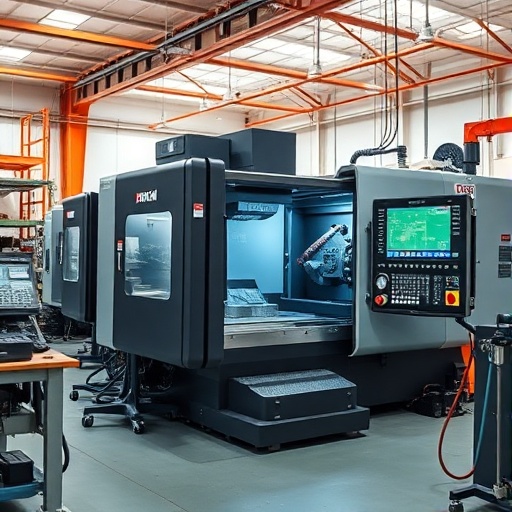
CNC machining drives the creation of hydraulic machined parts by translating digital designs into physical components with exceptional repeatability. Computer-controlled tools remove material layer by layer according to programmed paths, achieving tolerances measured in thousandths of an inch. This method supports complex geometries that traditional methods cannot produce efficiently. Operators program tool paths to minimize waste and maintain consistent surface finishes critical for sealing surfaces. The process accommodates both prototypes and high-volume runs while preserving part integrity. Hydraulic systems benefit directly from this precision because even minor deviations can cause leaks or reduced efficiency.
Modern CNC centers equipped with live tooling can perform turning, milling, and drilling operations in a single setup, drastically reducing cumulative tolerances. For hydraulic manifolds, this capability enables the creation of intricate internal galleries that optimize flow dynamics and minimize pressure drops. Simulation software further refines tool paths to avoid vibration-induced chatter, ensuring that critical sealing lands remain flawless even after extended production runs.
Milling and CNC Lathe Techniques
Milling operations carve intricate features such as ports, grooves, and mounting flanges into hydraulic parts using multi-axis cutters. CNC lathe techniques complement milling by producing cylindrical elements like rods and sleeves with perfect roundness and concentricity. These combined methods allow manufacturers to complete multiple operations in single setups, reducing handling errors. Skilled machinists adjust feeds, speeds, and coolant application to protect material properties during cutting. The result is hydraulic machined parts that fit together without additional finishing in most cases. Milling and CNC lathe work together to deliver the dimensional stability required for high-pressure environments.
Five-axis milling centers excel at producing angled ports and contoured surfaces on valve bodies, eliminating the need for secondary operations that could introduce alignment errors. On the lathe side, Swiss-style machines with guide bushings maintain sub-micron accuracy when machining long, slender components such as piston rods. Coolant strategies, including high-pressure through-tool delivery, prevent work hardening in difficult-to-machine alloys while preserving the integrity of heat-treated surfaces.
Quality Assurance in Hydraulic Parts Manufacturing
Quality assurance protocols verify every hydraulic machined part against strict specifications before shipment. Coordinate measuring machines, pressure testing, and surface profilometers confirm accuracy and functionality. Documentation tracks material certifications and process parameters for traceability. Teams perform first-article inspections and statistical process control to catch deviations early. This rigorous approach prevents field failures that could halt entire operations. A top hydraulic machined parts manufacturer embeds quality checks throughout production rather than relying solely on final inspection, ensuring each batch meets performance expectations.
Non-destructive testing methods, including ultrasonic inspection and dye penetrant examination, identify subsurface defects that might compromise pressure containment. Functional testing often involves cycling parts through thousands of pressure reversals while monitoring for leakage rates below 1 drop per minute. Digital quality records integrated with ERP systems allow customers to access full traceability data, supporting compliance with stringent industry regulations in aerospace and defense applications.
Importance of Efficiency in Hydraulic Machined Parts
How Machined Parts Enhance System Performance
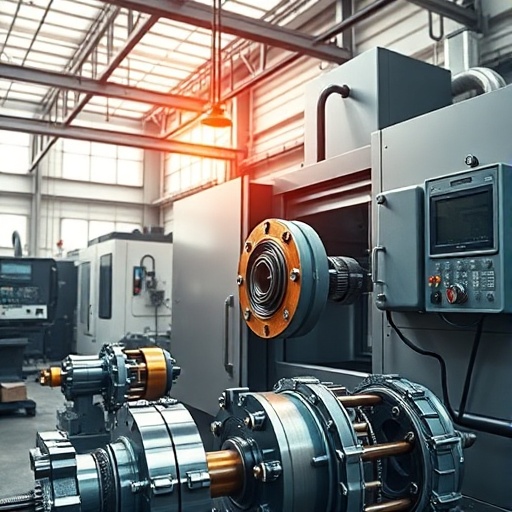
Precision-machined hydraulic parts minimize internal leakage and friction losses that drain system power. Smooth bore finishes and accurate valve seats allow fluid to move with less resistance, translating into faster cycle times and lower energy consumption. When components align perfectly, actuators respond instantly to control signals without lag or overshoot. Operators notice improved productivity and reduced heat generation in well-engineered systems. Hydraulic machined parts that meet exact specifications also extend seal life and reduce downtime associated with repairs.
Reduced friction also translates to lower operating temperatures, which preserves fluid viscosity and extends the life of pumps and motors. In mobile equipment, these efficiency gains can improve fuel economy by several percentage points, delivering meaningful cost savings over thousands of operating hours. Properly machined parts further contribute to quieter operation by minimizing flow-induced vibrations and cavitation.
The Impact of Precision on Efficiency
Tight tolerances in hydraulic machined parts directly translate to higher overall system efficiency. Small improvements in concentricity or surface roughness compound across multiple components to deliver measurable gains in output per unit of input energy. Reduced play in moving elements prevents pressure spikes that waste pump capacity. Manufacturers who invest in advanced inspection equipment consistently deliver parts that help customers achieve lower operating costs over the equipment lifecycle. Precision machining therefore becomes a strategic advantage rather than a mere production detail.
Studies have shown that improving bore cylindricity by just 5 microns can reduce internal leakage by up to 15 percent in typical cylinder applications. Over the life of a machine, these incremental improvements accumulate into substantial reductions in energy consumption and maintenance costs. Advanced manufacturers leverage real-time process monitoring to maintain these tight specifications consistently across production lots.
Case Studies: FZE Manufacturing Solutions and Hogge Precision
FZE Manufacturing Solutions demonstrated how optimized machining strategies improved hydraulic cylinder performance for agricultural equipment clients. By refining milling parameters and implementing enhanced quality assurance routines, they reduced internal leakage rates and boosted cycle speeds. Hogge Precision applied similar techniques to produce high-pressure valve components for industrial presses, achieving tighter tolerances that lowered energy draw by noticeable margins. Both examples highlight how focused attention to hydraulic machined parts manufacturing yields tangible efficiency improvements in real-world applications.
In the FZE project, cycle time reductions of 12 percent enabled farmers to cover more acreage per day during critical planting windows. Hogge Precision’s valve components achieved a 9 percent drop in pump power requirements, translating directly into lower electricity costs for continuous-operation facilities. These case studies underscore the importance of partnering with manufacturers who understand both the machining process and the end-use environment.
Leading Manufacturers of Hydraulic Machined Parts
Spotlight on McCormick Industries
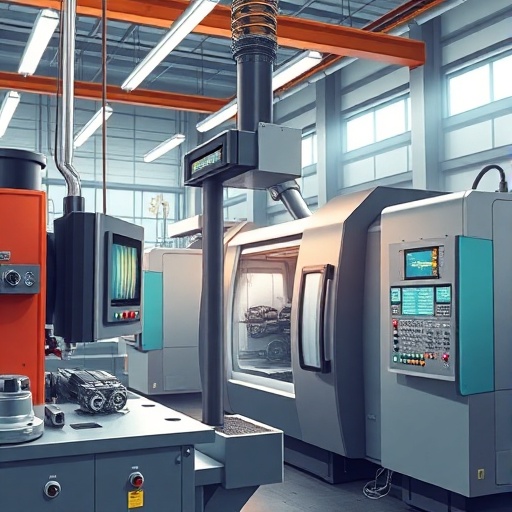
McCormick Industries has established itself as a trusted hydraulic machined parts manufacturer through decades of specialized experience. Their facility combines advanced CNC capabilities with deep knowledge of hydraulics requirements, enabling them to produce everything from standard fittings to custom actuators. The company maintains strict process controls that support both prototype development and sustained production volumes. Customers value their ability to meet challenging material and finish specifications while maintaining competitive lead times.
McCormick’s investment in automation, including robotic part loading and in-machine probing, allows them to maintain high throughput without sacrificing quality. Their engineering team collaborates closely with clients during the design phase to suggest manufacturability improvements that reduce cost and lead time while enhancing performance.
Choosing the Right Hydraulic Machined Parts Manufacturer
Selecting a hydraulic machined parts manufacturer requires evaluation of technical capabilities, quality systems, and industry experience. Buyers should examine equipment lists to confirm the presence of modern CNC machining and CNC lathe resources capable of handling required part complexities. References from similar applications provide insight into real performance outcomes. Clear communication channels and responsive engineering support further distinguish reliable partners. The best manufacturers also demonstrate ongoing investment in process improvements that benefit long-term customers.
Site audits and capability assessments remain valuable tools for verifying a supplier’s claims. Metrics such as on-time delivery rates above 95 percent and defect rates below 500 PPM often indicate a mature quality system. Long-term partnerships frequently yield collaborative innovations that improve both part designs and manufacturing efficiency.
Innovations in Hydraulic Machining
Recent advances in tooling, software, and inspection technology continue to raise standards for hydraulic machined parts. Five-axis milling now produces complex porting geometries in fewer setups, while in-process probing verifies dimensions without removing parts from the machine. Additive manufacturing supports rapid creation of fixtures and prototypes that accelerate development cycles. These innovations allow manufacturers to deliver hydraulic parts with improved performance characteristics at competitive costs, keeping pace with evolving equipment demands across multiple sectors.
Emerging technologies such as laser cladding for wear-resistant coatings and AI-driven predictive maintenance for machine tools further enhance capabilities. Digital twins of hydraulic components enable virtual testing of design iterations before any metal is cut, shortening development timelines and reducing costly physical prototypes. As Industry 4.0 principles become more widespread, manufacturers who embrace connected machining cells will continue to deliver superior value to the hydraulic industry.