The Impact of Rubber Engine Mounts on Engine Lifespan and Efficiency
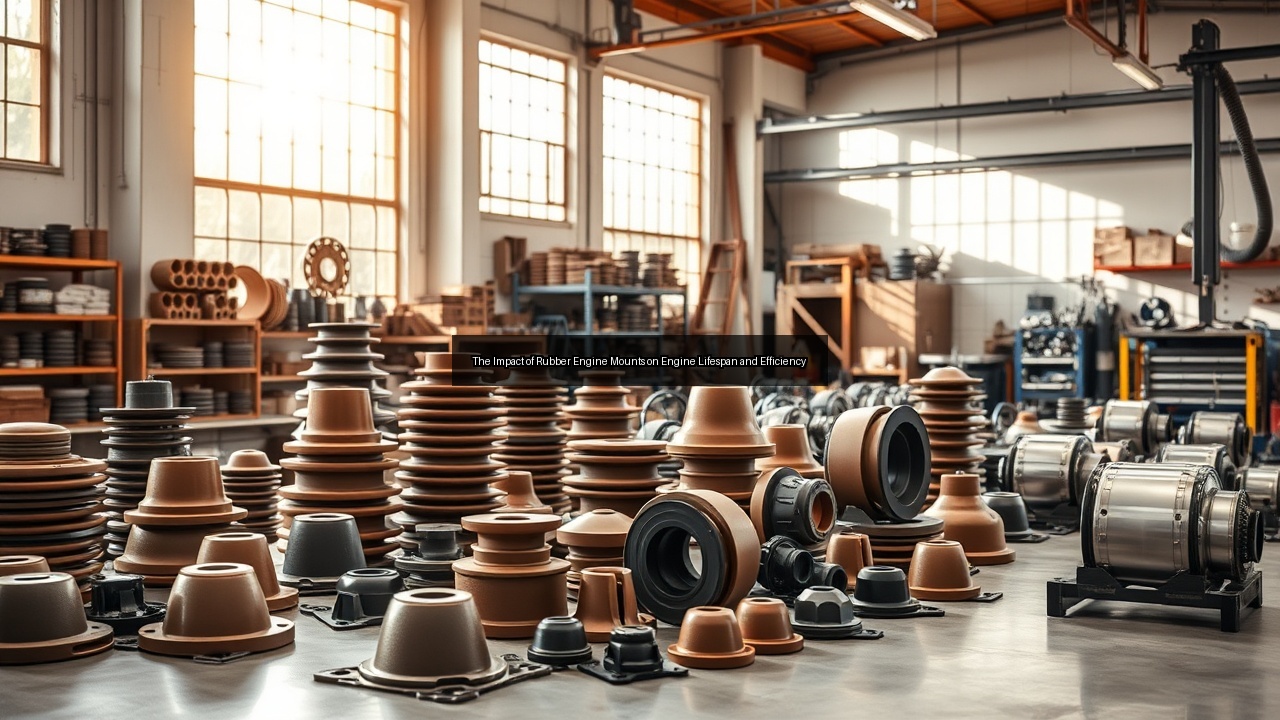
Understanding Rubber Engine Mounts
What Are Rubber Engine Mounts?
Rubber engine mounts play a crucial role in anchoring an engine within a vehicle or machinery. These mounts serve as the intermediary between the engine and the chassis, ensuring stability while absorbing vibrations produced during engine operation. Constructed primarily from natural rubber or synthetic compounds, rubber engine mounts offer a blend of flexibility and durability, which is essential for maintaining engine performance. Their design allows them to cope with dynamic forces, such as acceleration and deceleration, while minimizing the transfer of vibrations to the vehicle frame. This contributes to a smoother ride and enhances the overall driving experience.
Types of Rubber Engine Mounts: A Comparison
Several types of rubber engine mounts exist, each tailored for specific applications. The most common types include solid rubber mounts, hydraulic mounts, and pneumatic mounts. Solid rubber mounts provide a straightforward solution, offering excellent vibration isolation and durability. Hydraulic mounts, on the other hand, incorporate a fluid-filled chamber, which enhances their ability to dampen vibrations. This type is particularly effective in high-performance engines. Pneumatic mounts utilize air as a damping medium, providing superior isolation at low frequencies. Understanding these differences helps in selecting the right rubber engine mount for a specific application, ensuring optimal engine performance and reduced noise.
Role of Rubber in Engine Mounts
Rubber serves as the primary material in engine mounts due to its unique properties. Natural rubber exhibits exceptional elasticity, allowing it to absorb shocks and vibrations effectively. This quality is crucial in protecting sensitive components within the engine and surrounding equipment. The rubber's inherent damping characteristics help reduce noise levels, making for a quieter operation. Additionally, rubber is resistant to various environmental factors, including temperature fluctuations and exposure to oils and chemicals, which enhances its longevity. In engine mount designs, rubber works in tandem with other materials, such as stainless steel or bushings, to provide a robust solution that withstands the rigors of engine operation.
Benefits of Rubber Engine Mounts
Vibration Isolation and Damping Mechanisms
Rubber engine mounts excel in vibration isolation, a critical feature for enhancing comfort and performance. By effectively absorbing vibrations from the engine, these mounts prevent the transfer of harsh oscillations to the vehicle's chassis. This process minimizes noise levels and enhances overall ride quality. The damping mechanisms employed in rubber mounts allow for controlled movement, ensuring that vibrations are dissipated rather than amplified. As a result, the engine operates more smoothly, which can lead to improved fuel efficiency and reduced wear on components. Vibration isolators, such as those found in rubber engine mounts, become essential for vehicles that navigate diverse terrains or experience heavy loads.
Impact on Engine Efficiency
Engine efficiency benefits significantly from the use of rubber engine mounts. By effectively isolating vibrations, these mounts contribute to a more stable operating environment for the engine. A stable engine runs more efficiently, as it can maintain optimal operating temperatures and minimize energy loss due to excessive vibrations. Additionally, rubber engine mounts prevent misalignment that can occur from engine vibrations, ensuring that all components work harmoniously. This alignment not only enhances performance but also contributes to fuel savings and reduced emissions. Vehicles with well-maintained rubber mounts often exhibit better throttle response and smoother acceleration, further enhancing the driving experience.
Enhancing Engine Lifespan Through Rubber Mounts
Rubber engine mounts play a vital role in extending the lifespan of engines. By absorbing vibrations and shocks, these mounts protect critical components from undue stress and fatigue. Over time, excessive vibrations can lead to cracks and failures in engine parts, potentially resulting in costly repairs or replacements. Rubber mounts mitigate these risks by acting as shock absorbers, distributing forces evenly across the engine. Furthermore, the durability of high-quality rubber mounts ensures that they withstand the rigors of engine operation, maintaining their integrity over time. Regular inspection and maintenance of rubber engine mounts can significantly enhance the longevity of the entire engine assembly, reducing downtime and repair costs.
Applications of Rubber Engine Mounts
Use in Automotive Engines
Automotive engines extensively utilize rubber engine mounts due to their effectiveness in vibration isolation and noise engine rubber mounts reduction. In cars, trucks, and SUVs, these mounts ensure that vibrations from the engine do not transmit to the passenger cabin, providing a quiet and comfortable ride. They also help secure the engine in place during operation, preventing unwanted movement that could lead to misalignment or damage. Many performance vehicles employ specialized rubber mounts designed for enhanced performance, ensuring maximum stability even under rapid acceleration or cornering. The versatility of rubber engine mounts makes them a staple in various vehicle types, from compact cars to heavy-duty trucks.
Role in Generators and Compressors
Rubber engine mounts are equally important in generators and compressors. These machines generate significant vibrations during operation, which can lead to mechanical failures if not properly managed. Rubber engine mounts absorb these vibrations, ensuring that generators operate smoothly without excessive noise. In compressors, rubber mounts reduce vibration transmission to surrounding structures, preventing damage and enhancing operational efficiency. By isolating the vibrations, rubber mounts extend the service life of these machines while improving performance. Industries that rely on generators and compressors, such as construction and manufacturing, benefit greatly from the use of rubber mounts in their equipment.
Applications in Construction and Heavy Machinery
In construction and heavy machinery, rubber engine mounts are crucial for maintaining optimal operation. Equipment such as excavators, bulldozers, and cranes often experience extreme vibrations due to their size and the forces involved in their operation. Rubber mounts help absorb these vibrations, reducing wear on components and improving operator comfort. They also play a role in stabilizing heavy machinery during operation, which is essential for safety. Additionally, the ability of rubber mounts to withstand harsh environmental conditions makes them ideal for outdoor applications. Using rubber engine mounts in construction equipment enhances performance, safety, and equipment longevity.
Selecting the Right Rubber Engine Mount
Factors to Consider: Material and Design
Selecting the appropriate rubber engine mount involves considering several key factors, including material and design. Natural rubber offers excellent elasticity and vibration-dampening properties, making it a popular choice. Synthetic rubber compounds can provide enhanced durability and resistance to extreme temperatures and chemicals. The design of the mount also plays a crucial role; mounts can be solid, hydraulic, or pneumatic, each suited for different applications. Properly matching the mount design to the engine’s specifications ensures optimal performance. Additionally, understanding the load requirements and any specific operational conditions can help in choosing the right mount to ensure stability and longevity.
Common Issues and Maintenance Tips
Rubber engine mounts can face several issues over time, including wear, deterioration, and misalignment. Regular inspections can help identify these problems early. Look for signs of cracking or splitting in the rubber, which can indicate that the mount needs replacement. Additionally, listen for unusual noises or vibrations that may signal mount failure. To maintain rubber engine mounts, keep the engine area clean and free from debris, which can cause premature wear. Ensure that the mounts are properly torqued and aligned according to manufacturer specifications. Following these maintenance tips can prolong the life of rubber engine mounts and enhance engine performance.
Future Trends in Engine Mount Technology
Future trends in engine mount technology point towards innovations aimed at improving performance and sustainability. Advances in materials science may lead to the development of new rubber compounds that offer enhanced durability and vibration isolation. Additionally, the integration of smart technology into engine mounts could provide real-time monitoring of vibration levels and mount integrity, allowing for proactive maintenance. Manufacturers are also exploring eco-friendly materials to reduce environmental impact while maintaining performance. As engine technology evolves, rubber engine mounts will continue to adapt, ensuring they meet the demands of modern engines and machinery while enhancing efficiency and lifespan.
See Also
- The Ultimate Guide to Selecting Rubber Engine Mounts for Your Needs
- Vibration Isolation Strategies Using Rubber Engine Mounts
- Why Every Boat Needs High-Quality Rubber Engine Mounts
- The Future of Engine Mounts Exploring Eco-Friendly Rubber Options
- Choosing the Right Rubber Engine Mount for Your Construction Equipment