The Importance of Custom Manifolds in High-Performance Exhausts
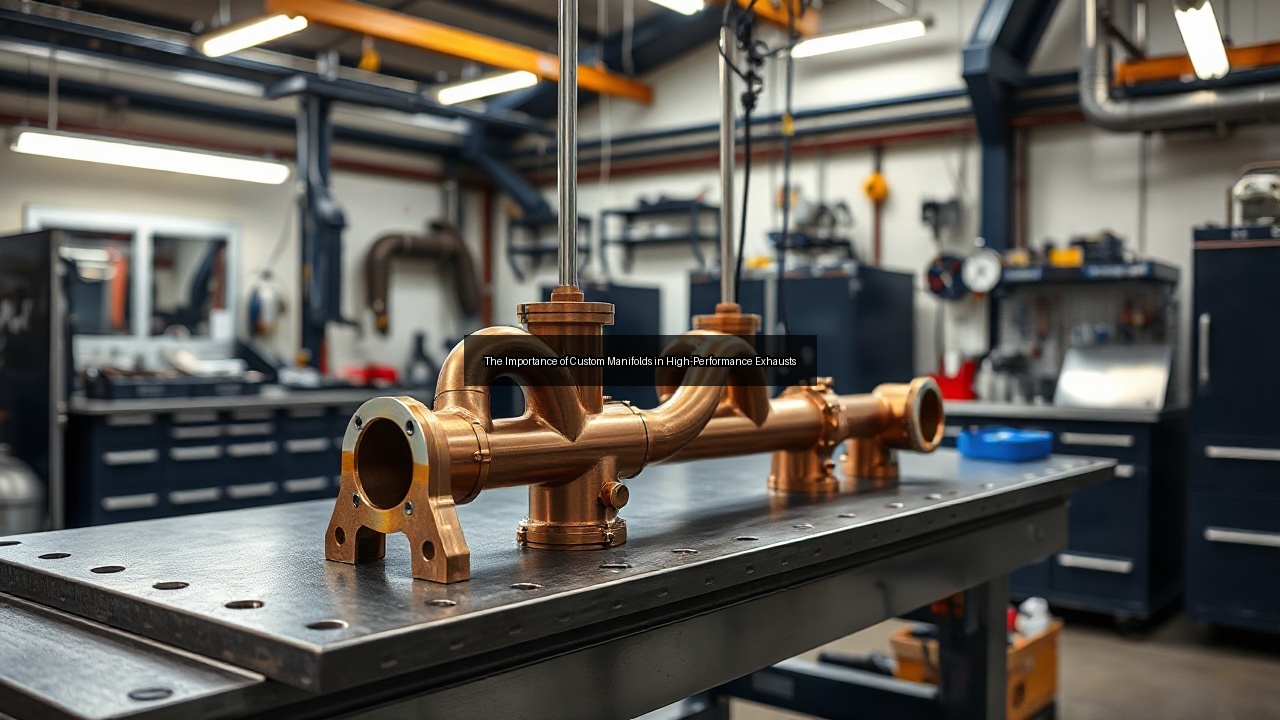
Understanding Custom Manifolds and Their Role in High-Performance Exhausts
What Are Custom Manifolds?
Custom manifolds serve as integral components in high-performance exhaust systems, facilitating efficient gas flow from the engine to the exhaust. These specialized manifolds can be tailored to specific applications, ensuring optimal performance. Unlike standard manifolds, which often prioritize mass production, custom manifolds focus on maximizing efficiency and enhancing power output. By employing advanced design techniques and materials, these manifolds optimize exhaust paths, reduce back pressure, and improve turbocharger response. The customization process allows engineers to consider unique vehicle specifications, engine configurations, and performance goals, making custom manifolds essential for competitive motorsport applications and street performance upgrades alike.
The Importance of Design in Custom Manifolds
Design plays a crucial role in the development of custom manifolds. Engineers utilize advanced software to simulate fluid dynamics, ensuring the manifold achieves the best possible airflow characteristics. The design process includes considerations for manifold shape, internal geometry, and pipe size. Each of these factors influences how exhaust gases travel through the system, impacting overall engine performance. A well-designed manifold reduces turbulence and enhances the scavenging effect, which is critical for improving engine efficiency. The incorporation of features such as smooth transitions and optimized port sizes can lead to significant gains in horsepower and torque, making design an indispensable element in the creation of high-performance exhaust systems.
Materials Used in Custom Manifold Manufacturing
The choice of materials in custom manifold manufacturing significantly affects performance and durability. Common materials include stainless steel, aluminum, and mild steel, each offering distinct advantages. Stainless steel is favored for its corrosion resistance and strength, making it ideal for high-heat applications. Aluminum, while lighter, provides excellent thermal conductivity and can reduce overall vehicle weight. On the other hand, mild steel is often more cost-effective but may require additional protective coatings to prevent rust. The selected material must withstand harsh conditions, including high temperatures and exposure to corrosive exhaust gases. Therefore, the manufacturing process must also ensure precision fabrication to achieve the desired performance characteristics custom exhaust manifolds and longevity.
The Engineering Behind Custom Manifolds
Utilizing Advanced Software for Design
Engineers rely on sophisticated software tools to design custom manifolds that meet specific performance criteria. Computational Fluid Dynamics (CFD) software allows for the detailed analysis of airflow and pressure distribution within the manifold. Through simulations, engineers can identify potential bottlenecks or turbulence that may hinder performance. These tools enable the optimization of manifold shapes and dimensions before physical production begins, saving time and resources. The use of 3D modeling software also aids in visualizing the manifold in relation to surrounding components, ensuring compatibility and effective integration into the exhaust system. This engineering approach establishes a solid foundation for producing high-performance custom manifolds tailored to unique operational demands.
Hydraulic Considerations in Manifold Engineering
Hydraulic considerations are vital in the engineering of custom manifolds, especially for applications involving fluid power systems. Understanding the principles of hydraulics helps engineers design manifolds that effectively manage fluid flow and pressure. Proper hydraulic design minimizes losses and maximizes efficiency, which is crucial in applications ranging from automotive exhaust systems to industrial machinery. The layout of ports, valve placements, and pipe diameters must be meticulously planned to optimize the hydraulic performance of the manifold. By addressing these factors, engineers can enhance system reliability and ensure that the custom manifold operates efficiently under varying load conditions.
Thermal Management in Exhaust Systems
Thermal management is a critical aspect of custom manifold design, particularly in high-performance exhaust systems. Exhaust gases reach extreme temperatures, and managing this heat effectively can prolong the life of components and improve performance. Custom manifolds often incorporate features such as heat shields and thermal barriers to protect sensitive components from excessive heat. Additionally, the choice of materials can influence thermal performance; stainless steel, for example, can withstand high temperatures while maintaining structural integrity. Effective thermal management reduces the risk of heat-related failures and enhances overall system efficiency, making it a key consideration for engineers when designing custom manifolds for high-performance applications.
Applications of Custom Manifolds Across Industries
Custom Manifolds in Oil and Gas
Custom manifolds play a pivotal role in the oil and gas industry, where they facilitate the safe and efficient transport of fluids. In drilling operations, custom manifolds manage the flow of drilling mud and other fluids under high pressure, ensuring that operations run smoothly. The design of these manifolds must accommodate various factors, including the type of fluid, pressure requirements, and environmental conditions. Using durable materials like stainless steel enhances reliability in harsh environments, while precise engineering ensures that these systems can handle the demanding nature of oil and gas extraction. Thus, custom manifolds are crucial for optimizing processes and improving safety in this vital sector.
The Role of Custom Manifolds in Agriculture and Forestry
In agriculture and forestry, custom manifolds facilitate the efficient operation of hydraulic systems used in machinery. Equipment such as tractors, harvesters, and logging machines often rely on hydraulic power to perform various tasks. Custom manifolds help manage fluid flow within these systems, ensuring that hydraulic components function optimally. The ability to tailor manifold design to specific machinery requirements enhances performance and reliability, allowing for more efficient operation. Additionally, using lightweight materials like aluminum can improve fuel efficiency in agricultural equipment. Custom manifolds thus contribute significantly to the productivity and effectiveness of agricultural and forestry operations.
Mining and Construction Applications of Custom Manifolds
Mining and construction industries utilize custom manifolds to manage hydraulic systems in heavy machinery. These environments require equipment that can endure harsh conditions, including extreme temperatures and exposure to dirt and debris. Custom manifolds designed for these applications often feature robust construction using high-quality materials, ensuring longevity and reliability. Additionally, proper design helps minimize fluid loss and enhances the overall efficiency of hydraulic systems. By optimizing the performance of machinery used in mining and construction, custom manifolds contribute to increased productivity and operational safety in these demanding industries.
Choosing the Right Custom Manifold for Your Needs
Factors to Consider in Custom Manifold Selection
Selecting the right custom manifold involves careful consideration of several factors. First, assess the specific application and performance requirements, such as flow rates, pressure ratings, and temperature ranges. Understanding the type of fluid being transported—whether exhaust gases or hydraulic fluid—also influences material and design choices. Compatibility with existing systems is crucial, as the manifold must integrate seamlessly with other components. Additionally, consider the manufacturing techniques and quality standards employed by the company producing the manifolds. By thoroughly evaluating these factors, you can ensure that the selected custom manifold meets your performance expectations and enhances the overall system efficiency.
The Importance of Fabrication Quality
Fabrication quality directly impacts the performance and durability of custom manifolds. Precision manufacturing techniques ensure that every aspect of the manifold, from welds to dimensions, meets stringent specifications. High-quality fabrication minimizes the risk of leaks and failures, which can compromise system performance and lead to costly repairs. A reputable manufacturer invests in advanced equipment and skilled labor to ensure the highest standards of quality control. When selecting a custom manifold, prioritize companies known for their commitment to quality fabrication. This decision ultimately contributes to the longevity and reliability of your manifold, enhancing its effectiveness in high-performance applications.
Understanding Valves and Fluid Dynamics in Custom Manifolds
Valves and fluid dynamics are integral to the functionality of custom manifolds. Understanding how different types of valves—such as ball valves—operate within the manifold can significantly impact system performance. Valves control the flow and pressure of fluids, making their placement and type critical in custom manifold design. Fluid dynamics principles also dictate how fluids interact with the manifold, influencing factors such as pressure drop and flow efficiency. By grasping these concepts, engineers can design manifolds that optimize flow characteristics and enhance overall system performance. This knowledge ensures that custom manifolds not only meet but exceed the demands of their intended applications.