The Science Behind Effective Vibration Isolation Using Rubber Materials
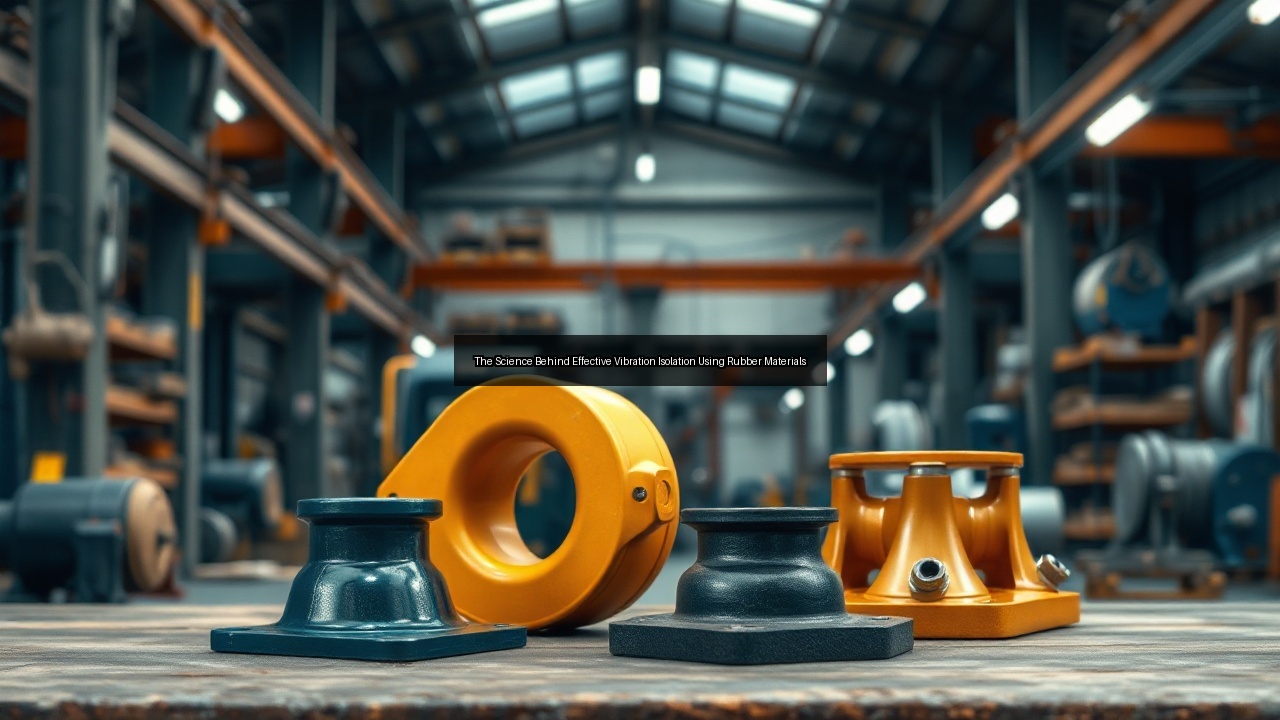
Understanding Vibration and Its Impact on Machinery
What is Vibration?
Vibration occurs when machinery components oscillate due to unbalanced forces, creating repetitive motion that travels through structures. Engineers measure this motion in frequency and amplitude to identify sources such as rotating shafts or reciprocating engines. Anti vibration rubber mounts interrupt these paths by converting kinetic energy into heat. Natural rubber and neoprene rubber respond differently under load, allowing precise selection for specific machine environments. Regular monitoring prevents escalation into structural fatigue.
Effective control begins with understanding how frequency ranges interact with material properties. Anti vibration mounts absorb energy across broad spectra, protecting adjacent equipment and operators alike.
The Effects of Vibration on Machinery
Uncontrolled vibration accelerates wear on bearings, seals, and gears inside generators and compressors. Excessive movement loosens fasteners and creates misalignment that shortens service life. Vibration damping through elastomeric materials reduces these stresses, extending intervals between maintenance. Stainless steel components paired with rubber vibration mounts maintain alignment even under continuous operation.
Noise levels rise sharply when vibration transmits into frames and foundations. Anti vibration rubber mounts lower both audible noise and structural transmission, improving workplace conditions. Proper isolation also prevents secondary damage to pipe hanger systems and nearby transformers.
Types of Vibrations in Industrial Settings
Harmonic vibrations dominate in rotating equipment such as motors and pumps, while random vibrations appear in construction machinery subjected to variable loads. Torsional vibrations affect engine crankshafts, and axial vibrations occur along shafts in marine propulsion systems. Each type requires tailored stiffness values in anti vibration mounts.
Elastomeric isolators handle multiple frequency bands simultaneously. Cone-shaped and bumper-style designs concentrate damping where needed most. Selecting the correct rubber compound ensures vibration reduction without sacrificing stability under static loads.
The Role of Rubber Materials in Vibration Isolation
Natural Rubber vs. Neoprene Rubber: A Comparative Analysis
Natural rubber delivers superior elasticity and rapid recovery after compression, making it ideal for applications demanding high resilience. Neoprene rubber offers better resistance to oils, ozone, and temperature extremes, suiting outdoor or marine environments. Both materials form the core of anti vibration rubber mounts used across industries.
Engineers compare durometer ratings and damping coefficients when choosing between the two. Natural rubber excels at low-frequency isolation, while neoprene maintains performance after prolonged exposure to chemicals. Hybrid compounds combine advantages for demanding vibration control tasks.
How Rubber Properties Affect Vibration Damping
Shear modulus and loss factor determine how effectively rubber converts vibration energy into heat. Higher damping ratios reduce transmissibility at resonance frequencies. Anti vibration mounts exploit these properties by placing rubber in compression or shear depending on load direction.
Temperature changes alter rubber stiffness, so formulations include additives that stabilize performance. Proper compound selection prevents hardening or softening that could compromise vibration isolation over time. Regular inspection confirms that damping characteristics remain within design limits.
Elastomeric Materials in Vibration Control
Elastomeric isolators combine rubber with fabric or metal reinforcements to handle heavy loads without excessive deflection. These materials provide inherent damping absent in metal springs or wire rope alternatives. Anti vibration pads and mounts made from elastomers fit compact spaces around HVAC systems and generators.
Customization of shape, including diameter and height, allows fine-tuning of natural frequency. Elastomeric solutions outperform rigid connections by decoupling machines from foundations, lowering transmitted force and extending equipment life.
Designing Effective Vibration Isolation Solutions
Key Factors in Anti Vibration Mount Design
Load capacity, deflection limits, and environmental conditions guide the selection of anti vibration rubber mounts. Engineers calculate required stiffness to place the system natural frequency well below operating frequencies. Mount geometry, including height and diameter, directly influences stability and damping efficiency.
Bonded metal plates improve load distribution and prevent rubber extrusion under compression. Testing under simulated conditions verifies that vibration reduction meets targets before installation. Proper design also accounts for dynamic loads from startup and shutdown cycles.
Height and Diameter Considerations in Rubber Mounts
Taller mounts lower natural frequency but reduce lateral stability, requiring careful balancing with diameter. Wider bases increase resistance to tipping yet may raise stiffness beyond optimal levels. Anti vibration mounts achieve target performance when height-to-diameter ratios match machine weight distribution.
Compact spaces around compressors often demand shorter profiles with larger diameters. Marine applications favor taller mounts to accommodate pitch and roll motions. Accurate measurement of available clearance ensures mounts fit without compromising isolation effectiveness.
Stiffness and Its Role in Vibration Reduction
Stiffness controls the frequency at which a mount resonates with the supported mass. Lower stiffness shifts resonance below operating speeds, delivering superior vibration isolation. Rubber compounds allow engineers to adjust stiffness through durometer selection and geometric shaping.
Excessive stiffness transmits more force, while insufficient stiffness permits large displacements. Anti vibration rubber mounts strike this balance by combining material properties with precise dimensions. Iterative testing refines stiffness until vibration levels fall within acceptable limits across all operating conditions.
Applications of Vibration Isolation in Various Industries
Marine Applications: Ensuring Stability at Sea
Ships and offshore platforms subject engines and generators to constant motion from waves and propulsion forces. Anti vibration rubber mounts isolate these units from hull structures, reducing fatigue and protecting sensitive electronics. Neoprene compounds withstand saltwater exposure while maintaining damping performance.
Engine mounts in marine settings must accommodate thrust loads without excessive movement. Proper isolation also lowers noise transmitted through decks, improving crew comfort. Regular inspection of rubber elements ensures continued effectiveness despite cyclic loading at sea.
HVAC Systems and Noise Control
HVAC systems generate vibration through fans, compressors, and pumps that travels into building frames. Anti vibration mounts decouple equipment from structural elements, preventing noise complaints from occupants. Elastomeric pads absorb both vibration and structure-borne sound effectively.
Installers position mounts under chillers and air handlers to address specific frequency ranges. Pipe hanger isolators further reduce transmission along ductwork. Consistent vibration control maintains quiet operation and protects system components from premature wear.
Using Vibration Isolators in Generators and Compressors
Generators and compressors produce strong low-frequency vibrations that disturb nearby equipment and personnel. Rubber vibration mounts support these machines while absorbing energy before it reaches foundations. Stainless steel hardware resists corrosion in harsh environments.
Proper mount placement accounts for weight distribution and torque reactions during startup. Vibration damping prevents misalignment that could damage couplings and bearings. Effective isolation also reduces noise levels, supporting compliance with workplace regulations.
Future Trends in Vibration Isolation Technologies
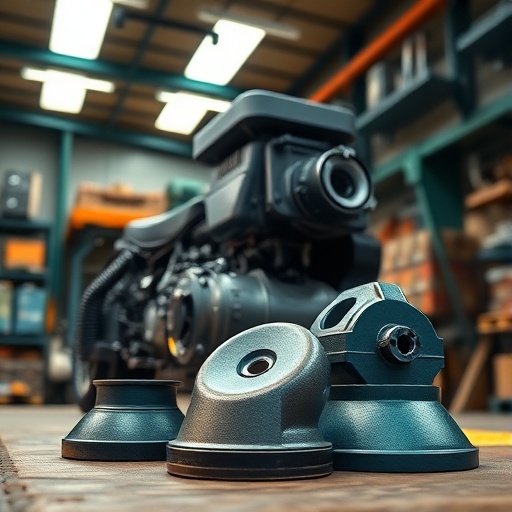
Innovations in Rubber Mount Manufacturing
Advanced molding techniques produce anti vibration rubber mounts with consistent properties and complex geometries. New bonding methods improve adhesion between rubber and metal inserts, extending service life. Automated inspection ensures each mount meets exact stiffness specifications before shipment.
Manufacturers develop compounds that maintain damping across wider temperature ranges. These improvements allow vibration isolators to perform reliably in extreme conditions encountered in construction and marine sectors.
The Growing Importance of Vibration Control in Construction
Heavy machinery on construction sites creates vibrations that affect nearby structures and worker health. Anti vibration mounts on pumps, generators, and compressors limit transmission into ground and buildings. Elastomeric dampers also protect delicate instruments used for monitoring.
Regulations increasingly require documented vibration reduction measures. Proper isolation supports longer equipment uptime and reduces complaints from adjacent properties. Integration of smart sensors with rubber mounts enables real-time performance tracking.
Sustainable Materials for Vibration Isolation Solutions
Recycled rubber and bio-based elastomers enter production of anti vibration mounts without sacrificing damping performance. These materials reduce environmental impact while meeting mechanical requirements for generators, HVAC systems, and marine engines. Manufacturers balance sustainability with durability demands.
Life-cycle assessments guide material choices that lower carbon footprints. Sustainable vibration isolators maintain effectiveness across frequency ranges, supporting green building certifications and responsible manufacturing practices.
See Also
- The Connection Between Engine Performance and Rubber Vibration Isolators
- Revolutionizing Machinery Performance with Anti Vibration Rubber Mounts
- Innovations in Vibration Control for Compressors and Industrial Machinery
- The Impact of Vibration Reduction on Generator Efficiency and Reliability
- Choosing the Right Diameter for Your Anti Vibration Rubber Mounts