Understanding Flange Ratings and Their Importance in Safety
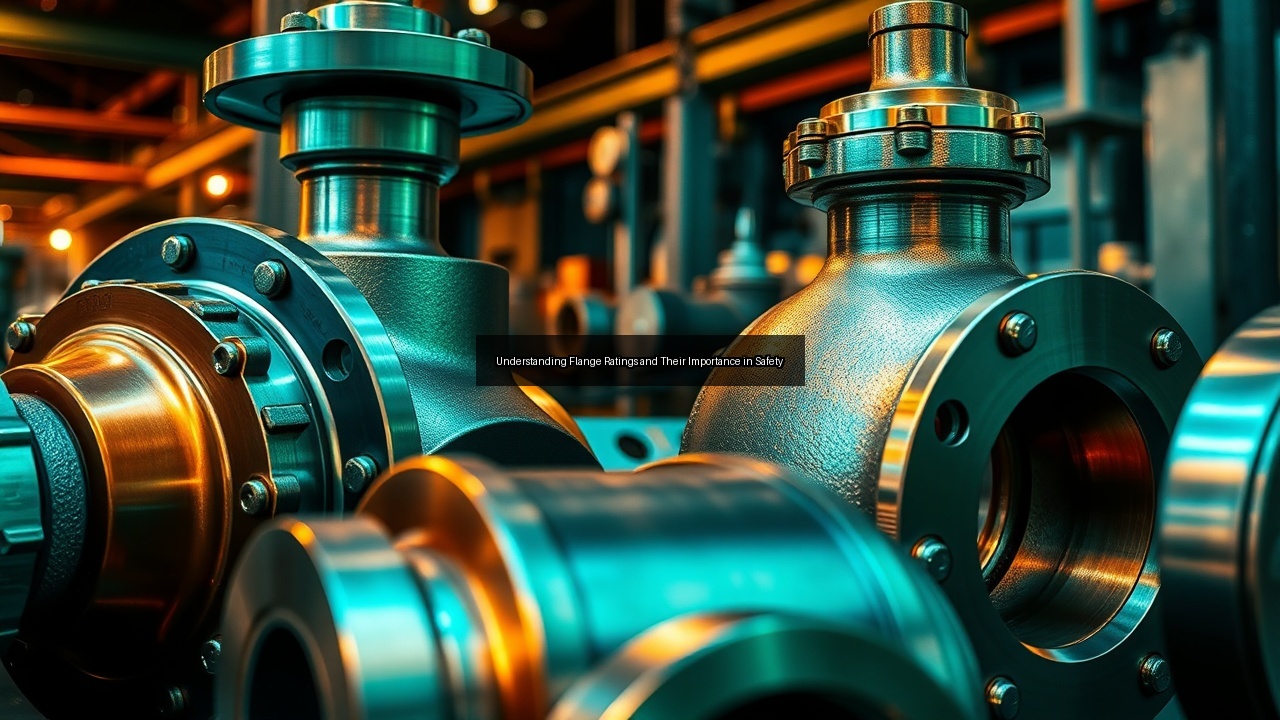
The Basics of Flange Ratings
Understanding Flange Ratings
Flange ratings provide essential information about the pressure and temperature limits of flanged connections in pipe fittings. Each flange rating indicates the maximum pressure the flange can handle at a specific temperature, ensuring the safe operation of piping systems. Flange ratings typically follow established standards, such as those set by the American Society of Mechanical Engineers (ASME) and the American Petroleum Institute (API). These ratings help engineers select the appropriate flanges for different applications, ensuring compatibility and safety within the piping system. The rating system often includes classifications like Class 150, 300, 600, and higher, each correlating to specific pressure and temperature thresholds. Understanding these ratings is crucial for maintaining the integrity and safety of installations, particularly in high-pressure environments.
Types of Flanges and Their Applications
Various types of flanges serve diverse applications across industries. Common flange types include weld neck, slip-on, blind, threaded, and lap joint flanges. Each type has unique characteristics that make it suitable for specific scenarios. Weld neck flanges, for example, provide a strong connection by welding directly to the pipe, making them ideal for high-pressure applications. Slip-on flanges offer ease of installation, allowing for quick assembly but may not be as strong under extreme conditions. Blind flanges cap off the end of pipes, preventing fluid flow and providing a secure closure. Threaded flanges allow for easy assembly without welding, while lap joint flanges facilitate disassembly and maintenance in applications where frequent access is necessary. Understanding these types helps professionals choose the right flange to ensure system reliability.
Importance of Flange Ratings in Pipe Fittings
Flange ratings play a pivotal role in the safety and functionality of pipe fittings. Properly rated flanges prevent leaks, ruptures, and failures, which can lead to catastrophic accidents in industrial settings. When selecting flanges, engineers must consider the operating conditions, including pressure, temperature, and the nature of the fluids being transported. Mismatched flange ratings can result in inadequate sealing or excessive stress on the piping system. Flange ratings also ensure compliance with regulatory standards, reducing liability and enhancing workplace safety. By prioritizing the correct flange ratings, organizations minimize risks and maintain efficient operations. Ultimately, understanding flange ratings is a critical aspect of effective pipeline management, contributing to the long-term success of industrial processes.
API Flanges: Standards and Specifications
Overview of API Standards
The American Petroleum Institute (API) establishes standards for the oil and natural gas industry, including specifications for API flanges. These standards ensure that flanges can withstand the demanding conditions characteristic of petroleum and gas applications. API standards cover various aspects, such as design, materials, testing, and performance, providing a comprehensive framework for manufacturers and users. API flanges are designed to facilitate safe and efficient connections in pipelines, refineries, and other facilities. By adhering to API standards, companies enhance the reliability of their systems and ensure compatibility with industry best practices. The emphasis on quality and safety within these standards helps mitigate risks associated with leaks and equipment failures, reinforcing the importance of API flanges in critical applications.
API Flange Dimensions
API flange dimensions are critical for ensuring compatibility and proper assembly in piping systems. These dimensions include bolt circle diameter, number of bolt holes, and flange thickness, which vary depending on the flange rating and type. API flanges typically come in standard sizes, allowing for easier integration into existing systems. When selecting API flanges, it is vital to consult the specific API standards that outline the required dimensions for each flange type and rating. Correct dimensions facilitate proper sealing and alignment, reducing the risk of leaks and ensuring the structural integrity of the piping system. Engineers must pay close attention to these specifications to maintain operational safety and efficiency when working with API flanges.
Comparing API Flanges with ASME Standards
API flanges differ from ASME standards in several key areas, although both sets of standards aim to ensure the safety and reliability of flanged connections. ASME flanges primarily focus on the mechanical properties of flanges used in various industrial applications, while API standards are tailored specifically for the oil and gas sector. API flanges often feature additional design considerations to accommodate the unique challenges posed by high-pressure and corrosive environments found in petroleum applications. Flange ratings and dimensions under API standards may also differ from those established by ASME, making it crucial for engineers to understand these distinctions during flange selection. Comparing these two standards helps professionals choose the best flanges for their specific applications, ensuring compatibility and safety across diverse operational contexts.
Ensuring Safety with Proper Flange Selection
How Flange Ratings Impact Safety
Flange ratings significantly impact safety in piping systems by establishing the limits within which flanged connections can operate. Selecting flanges with inappropriate ratings can result in catastrophic failures, including ruptures and leaks. These events not only compromise the integrity of the piping system but also pose serious safety risks to personnel and the environment. Engineers must conduct thorough assessments of operating conditions, including temperature, pressure, and the nature of the transported fluids, to ensure that selected flange ratings align with these factors. Regular inspections and adherence to maintenance schedules further enhance safety, as worn or damaged flanges may no longer meet their rated specifications. By prioritizing the correct flange ratings, organizations can effectively manage risks and maintain safe operational environments.
The Role of Flange Gaskets in Safety
Flange gaskets play an integral role in ensuring the safety and effectiveness of flanged connections. These gaskets create a seal between flanges, preventing leaks and maintaining pressure within the system. The material and design of flange gaskets must match the operating conditions to ensure optimal performance. Common materials include rubber, PTFE, and metal, each offering specific advantages depending on the application. Proper gasket selection is vital; using the wrong gasket can lead to failures, compromising safety. Additionally, ensuring that gaskets are installed correctly can prevent potential issues. Regular inspection and replacement of gaskets as part of a maintenance program contribute to the overall safety and reliability of flanged pipe fittings, ensuring that the entire system operates as intended.
Best Practices for Selecting Flanged Pipe Fittings
Selecting the right flanged pipe fittings involves a careful assessment of various factors to ensure safety and efficiency. Begin by evaluating the fluid characteristics, including temperature, pressure, and chemical composition. This evaluation helps determine the appropriate flange type and material. Consult the relevant standards, such as API and ASME, to ensure compliance with industry regulations. Additionally, consider the size and dimensions of the flanges to ensure compatibility with existing piping systems. During installation, follow best practices, such as proper torque specifications and alignment, to guarantee that flanges are securely fastened. Regular maintenance and inspection of flanged connections further enhance reliability, allowing organizations to preemptively address issues before they escalate. By adhering to these best practices, engineers optimize the safety and performance of their piping systems, ensuring long-term operational success.
See Also
- Why API Flanges Are a Must-Have for Modern Engineering Projects
- The Role of Flange Gaskets in Ensuring Leak-Free Connections
- An Engineer’s Perspective on the Importance of API Flanges
- API Flanges vs Traditional Flanges Which is Right for Your Project
- Innovative Applications of API Flanges in Various Industries