Understanding the Role of Differential Pressure in Ammonia Level Gauges

Introduction to Ammonia Level Gauges
Ammonia level gauges play a critical role in monitoring the liquid ammonia stored in tanks, ensuring safe and efficient operations across industries. These devices, often integrated into ammonia tank level gauge systems, provide real-time data on the level of ammonia, helping operators prevent overflows, leaks, or shortages. In environments where anhydrous ammonia serves as a refrigerant or chemical feedstock, precise level measurement becomes essential for compliance and productivity. Engineers rely on these gauges to maintain optimal conditions in storage tanks, where liquid ammonia can transition to gas under pressure changes.
Importance of Accurate Level Measurement
Accurate level measurement in ammonia tanks safeguards against hazardous situations that could arise from improper handling of this volatile substance. Operators use ammonia tank level gauges to track the exact volume of liquid ammonia, preventing overfilling that might lead to pressure buildup and potential ruptures. In refrigeration systems, where NH3 circulates as a coolant, even minor inaccuracies in level sensors can disrupt cooling efficiency, causing equipment failure or spoilage in food storage. Precise measurement also supports regulatory compliance, as agencies mandate reliable monitoring to minimize environmental risks from ammonia leaks. Advanced pressure gauges integrated into these systems enhance accuracy by accounting for density variations in liquid ammonia. Without robust level measurement tools, industries face costly downtime and safety violations. For instance, in agricultural settings, anhydrous ammonia tanks require vigilant oversight during fertilizer application seasons to avoid spills that contaminate soil. Investing in high-quality instrumentation ensures that level gauges deliver consistent readings, fostering trust in the data that drives decision-making. Ultimately, accurate level measurement not only protects personnel but also optimizes resource use, reducing waste in ammonia storage and distribution.
Overview of Ammonia Storage and Use
Ammonia storage typically occurs in large, pressurized tanks designed to hold liquid ammonia at low temperatures, preventing it from vaporizing into gas. Industries like refrigeration, agriculture, and chemical manufacturing depend on these storage tanks for their operations. In refrigeration, liquid ammonia absorbs heat efficiently, making it a staple in industrial cooling systems for warehouses and processing plants. Anhydrous ammonia, free of water, powers fertilizers that boost crop yields worldwide. Storage tank designs incorporate robust materials to withstand the corrosive nature of ammonia, ensuring longevity and safety. Level gauges monitor the transition between liquid and gas phases, alerting operators to any imbalances. Common uses extend to wastewater treatment, where ammonia helps neutralize acids, and in explosives production as a nitrogen source. Proper gauging prevents the risks associated with ammonia's toxicity and flammability when exposed to air. Engineers select ammonia tank level gauges based on tank size and environmental conditions, integrating sensors for continuous oversight. This overview highlights how ammonia's versatility demands sophisticated measurement technologies to maintain its integrity from storage to application, supporting sustainable practices in diverse sectors.
Understanding Differential Pressure
Differential pressure stands as a foundational principle in many level measurement systems, particularly for ammonia tank level gauges. This method calculates liquid levels by comparing pressures at different points in a tank, offering reliable insights into the ammonia level without direct contact. In ammonia applications, where conditions fluctuate, differential pressure ensures precise readings amid varying temperatures and pressures.
What is Differential Pressure?
Differential pressure refers to the difference in pressure between two points in a fluid system, often measured using specialized sensors or transmitters. In level measurement, technicians connect these devices to the high and low sides of a tank, capturing how hydrostatic pressure builds with liquid depth. For ammonia storage, this becomes vital as liquid ammonia exerts pressure proportional to its height in the tank. Pressure gauges equipped for differential readings display this variance, translating it into actionable level data. Unlike absolute pressure, which measures against a vacuum, differential pressure isolates the effects of the liquid column alone. Engineers appreciate its simplicity and cost-effectiveness in monitoring storage tanks. In ammonia systems, where NH3 can exist as both liquid and gas, differential pressure accounts for vapor space above the liquid, providing clear separation in measurements. Calibration ensures these instruments handle the specific gravity of anhydrous ammonia accurately. Overall, understanding differential pressure empowers operators to maintain safe levels, preventing incidents in high-stakes environments like refrigeration facilities.
How Differential Pressure Works in Level Measurement
Differential pressure operates on the principle that a liquid column in a tank creates hydrostatic pressure at its base, increasing linearly with depth. A differential pressure transmitter connects to the tank bottom for high pressure and the top for low pressure, subtracting the latter from the former to yield the net pressure due to the liquid. In ammonia level measurement, this setup ignores atmospheric influences, focusing solely on the liquid ammonia's contribution. Sensors convert this pressure difference into an electrical signal, which instrumentation displays as a level reading on gauges. For storage tanks holding liquid ammonia, the method excels because ammonia's density remains relatively stable under controlled conditions. Operators calibrate these systems to factor in temperature effects, as warmer ammonia expands and alters pressure dynamics. Real-time monitoring through differential pressure allows quick adjustments, such as during filling operations in anhydrous ammonia tanks. This technique's reliability stems from its non-invasive nature, reducing wear on tank walls. Industries integrate it with digital interfaces for remote access, enhancing oversight in large-scale refrigeration setups. By mastering how differential pressure works, teams achieve superior accuracy in tracking ammonia levels, minimizing operational risks.
The Role of Differential Pressure in Ammonia Level Gauges
Differential pressure forms the backbone of many ammonia level gauges, enabling precise determination of liquid ammonia heights in storage tanks. These gauges employ differential pressure to differentiate between the hydrostatic head of the liquid and overlying gas pressures, crucial for volatile substances like NH3. In an ammonia tank level gauge, the device measures the pressure drop across a diaphragm or capillary, converting it to level indicators. This role proves indispensable in refrigeration, where maintaining exact ammonia levels prevents system imbalances that could lead to compressor damage. Pressure gauges designed for differential measurement resist corrosion from ammonia exposure, ensuring long-term reliability. Technicians rely on this method to detect subtle changes in level of ammonia, triggering alarms for low or high thresholds. Integration with level sensors amplifies its effectiveness, providing data for automated controls in chemical plants. The specificity of differential pressure to ammonia's properties—its high vapor pressure and potential for phase changes—makes it superior to other techniques in certain applications. Facilities using anhydrous ammonia benefit from its ability to handle pulsating flows without losing accuracy. Thus, differential pressure not only monitors but also enhances the safety and efficiency of ammonia handling across industries.
Types of Level Sensors Used for Ammonia
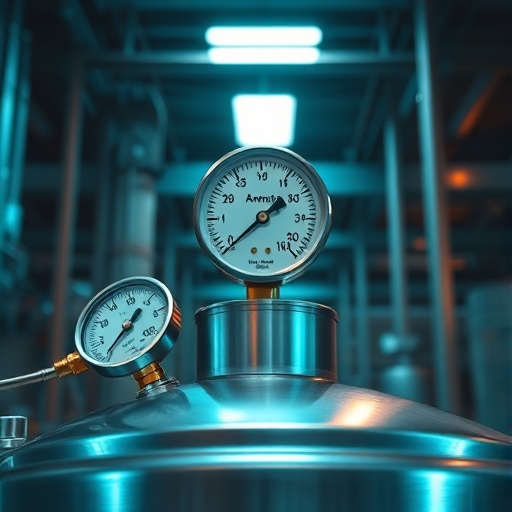
Level sensors for ammonia vary in design and function, tailored to the unique challenges of handling this corrosive and reactive substance. From mechanical to electronic options, these sensors integrate into ammonia tank level gauge systems to deliver accurate readings for liquid and gas phases in storage tanks.
Bourdon Tube Pressure Gauges
Bourdon tube pressure gauges offer a mechanical solution for monitoring pressure in ammonia systems, often adapted for level measurement through differential setups. The bourdon tube, a curved metal segment, straightens under pressure, driving a pointer across a dial to indicate levels. In ammonia tanks, these gauges excel in harsh environments, providing direct visual feedback without needing power sources. Operators favor them for their durability against vibration and corrosion when constructed from stainless steel or alloys resistant to NH3. For liquid ammonia storage, the gauge connects to tank ports, where bourdon tube deflection correlates to the hydrostatic pressure from the ammonia level. This type suits smaller refrigeration units, where simplicity trumps digital complexity. Calibration involves zeroing the tube to account for gas pressures above the liquid, ensuring precise tank level readings. Despite their robustness, regular maintenance prevents fatigue in the tube from repeated pressure cycles. Industries like agriculture use bourdon tube gauges in anhydrous ammonia applicators for on-site reliability. Their proven track record in pressure measurement makes them a staple for ammonia level gauging, balancing cost with performance in demanding conditions.
Differential Pressure Transmitters
Differential pressure transmitters represent advanced electronic level sensors that output continuous signals for ammonia measurement in storage tanks. These devices use diaphragms to sense pressure differences, converting them via piezoelectric or capacitive elements into 4-20 mA signals for control systems. In ammonia tank level gauge applications, transmitters mount externally to avoid direct contact with corrosive liquid ammonia, extending service life. They handle the high pressures in NH3 refrigeration cycles, providing accuracy within 0.1% for critical processes. Integration with SCADA systems allows remote monitoring of ammonia levels, alerting to deviations in real time. Calibration procedures adjust for temperature-induced density changes in anhydrous ammonia, maintaining measurement integrity. Unlike mechanical gauges, transmitters offer diagnostics for drift or faults, reducing unplanned outages in chemical plants. Their role in level sensors ensures compliance with safety standards for gas and liquid phases. Facilities processing large volumes of ammonia rely on these for scalable solutions, from single tanks to networked storage. The precision of differential pressure transmitters transforms basic gauging into intelligent instrumentation, optimizing operations and preventing costly errors.
Gas Sensors for Ammonia Detection
Gas sensors detect ammonia vapors in storage tanks, complementing liquid level measurement by identifying leaks or phase transitions. Electrochemical or infrared types sense NH3 concentrations, triggering alarms when levels exceed safe thresholds. In ammonia tank level gauge systems, these sensors pair with pressure gauges to provide a holistic view, distinguishing gas buildup from liquid levels. For refrigeration applications, where anhydrous ammonia can vaporize, gas sensors prevent asphyxiation risks in enclosed spaces. Their sensitivity to low parts-per-million traces ensures early detection in storage tanks. Calibration with standard ammonia gases maintains accuracy amid humidity or temperature swings. Unlike direct level sensors, gas sensors focus on atmospheric monitoring, enhancing overall safety protocols. Industries integrate them into ventilation systems, automatically purging excess gas upon detection. Robust housings protect against corrosion, vital for long-term deployment near liquid ammonia sources. These sensors contribute to predictive maintenance by logging exposure data, correlating it with tank gauge readings. As technology advances, hybrid gas sensors with wireless capabilities streamline ammonia measurement, offering peace of mind in high-risk environments.
Factors Affecting Ammonia Level Measurement
Several environmental and operational factors influence the performance of ammonia level gauges, demanding careful consideration for reliable readings in storage tanks. Addressing temperature, vibration, and corrosion ensures that level sensors deliver consistent accuracy in ammonia handling.
Temperature and Its Impact on Measurement
Temperature profoundly affects ammonia level measurement by altering the density and vapor pressure of liquid ammonia in tanks. As temperatures rise, liquid ammonia expands, increasing hydrostatic pressure and potentially skewing gauge readings if not compensated. In refrigeration systems, where NH3 operates near its boiling point, even small fluctuations demand temperature-compensated sensors for precise level detection. Storage tanks equipped with ammonia tank level gauges often include thermowells to monitor ambient conditions, adjusting differential pressure calculations accordingly. Anhydrous ammonia's sensitivity to heat underscores the need for insulated tanks and controlled environments. Operators use integrated instrumentation to correlate temperature data with level sensors, preventing overestimation of liquid volumes. In agricultural applications, seasonal temperature variations during ammonia storage require recalibration of pressure gauges. Advanced transmitters incorporate algorithms that factor in thermal expansion coefficients specific to NH3. Neglecting temperature impacts can lead to inaccurate tank level assessments, risking overflows or insufficient supply. By prioritizing temperature management, facilities enhance the reliability of ammonia measurement, supporting seamless operations year-round.
Vibration and Its Effects on Gauge Accuracy
Vibration from pumps, compressors, or nearby machinery compromises the accuracy of ammonia level gauges in industrial settings. Mechanical stress can cause bourdon tubes to fatigue or diaphragms in transmitters to misalign, leading to erratic pressure readings in storage tanks. For ammonia tank level gauge systems in refrigeration plants, mounting sensors on vibration-dampening pads becomes essential to isolate them from oscillations. Liquid ammonia's sloshing under vibration further distorts differential pressure measurements, amplifying errors in level sensors. Engineers select rugged instrumentation with anti-vibration features, such as filled gauges that absorb shocks. Regular inspections detect early signs of wear, ensuring sustained performance in dynamic environments. In chemical processing, where tanks vibrate during mixing, remote mounting of transmitters minimizes direct exposure. Data logging helps correlate vibration events with accuracy drifts, guiding maintenance schedules. Addressing vibration not only preserves gauge integrity but also prevents false alarms that disrupt operations. Through proactive design, industries mitigate these effects, maintaining precise ammonia level monitoring amid challenging conditions.
Corrosion Resistance in Ammonia Tanks
Corrosion poses a significant threat to ammonia tanks and their associated level gauges, as NH3 aggressively attacks metals over time. Liquid ammonia, especially anhydrous forms, accelerates degradation in carbon steel, necessitating corrosion-resistant materials like stainless steel or lined alloys for storage tanks. Pressure gauges and sensors exposed to ammonia vapors require coatings or seals to prevent pitting and leaks. In level measurement systems, corrosion can erode diaphragms in differential pressure transmitters, leading to inaccurate readings of tank levels. Facilities implement cathodic protection and regular ultrasonic testing to monitor tank integrity. For refrigeration applications, where moist ammonia heightens corrosivity, selecting ammonia-compatible instrumentation proves crucial. Bourdon tube gauges benefit from Hastelloy internals, resisting chemical attack while maintaining mechanical reliability. Proper venting reduces internal corrosion from gas condensation. By prioritizing corrosion resistance, operators extend the lifespan of ammonia tank level gauges, ensuring safe and accurate measurement. This focus not only cuts replacement costs but also upholds environmental standards by preventing spills from failed components.
Advanced Technologies in Ammonia Level Gauging
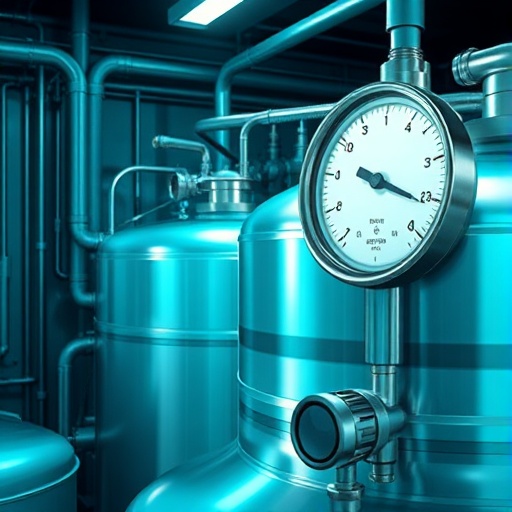
Modern advancements in technology elevate ammonia level gauging beyond traditional methods, incorporating smart sensors and data analytics for superior performance in storage tanks. These innovations address the complexities of ammonia measurement, enhancing accuracy and usability.
Innovations in Level Measurement Technology
Innovations in level measurement technology revolutionize ammonia tank level gauge systems with non-contact methods like ultrasonic and radar sensors. Ultrasonic devices emit sound waves that reflect off the liquid ammonia surface, calculating distance for precise level readings without intrusion. Radar technology penetrates vapors above the liquid, ideal for turbulent NH3 environments in refrigeration tanks. These advancements overcome limitations of mechanical pressure gauges, offering sub-millimeter accuracy in storage tanks. Wireless integration allows real-time data transmission to mobile devices, streamlining monitoring in large facilities. For anhydrous ammonia, guided wave radar handles foam or agitation, ensuring reliable gas-liquid interface detection. Innovations also include self-diagnosing sensors that alert to fouling or calibration needs. Industries adopt these for their reduced maintenance and enhanced safety in corrosive settings. Coupled with AI algorithms, they predict level trends based on usage patterns. This technological leap transforms ammonia measurement from reactive to proactive, optimizing efficiency in chemical and agricultural sectors.
Integrating Instrumentation for Enhanced Accuracy
Integrating instrumentation merges multiple sensors into cohesive systems for enhanced accuracy in ammonia level gauging. Combining differential pressure transmitters with temperature probes and gas sensors creates a comprehensive profile of tank conditions. In ammonia tank level gauge setups, this fusion compensates for variables like density changes in liquid NH3, yielding precise readings. SCADA platforms aggregate data from level sensors, pressure gauges, and flow meters, enabling automated adjustments in refrigeration cycles. For storage tanks, integrated systems facilitate predictive analytics, forecasting refill needs based on consumption. Corrosion monitoring tools link with gauges to flag potential integrity issues early. Wireless networks connect remote instrumentation, reducing wiring costs in expansive plants. Calibration software automates adjustments across devices, maintaining uniformity. This holistic approach minimizes human error, boosting reliability in handling anhydrous ammonia. Facilities gain actionable insights, from real-time dashboards to historical trend analysis. Ultimately, integrated instrumentation elevates ammonia measurement standards, driving operational excellence and compliance.
Future Trends in Ammonia Level Gauges
Future trends in ammonia level gauges point toward IoT-enabled, AI-driven solutions that anticipate issues before they arise. Smart sensors with edge computing process data on-site, reducing latency in monitoring liquid ammonia levels in tanks. Blockchain integration could secure data logs for regulatory audits in chemical industries. Nanotechnology promises ultra-sensitive detectors resistant to corrosion, extending gauge lifespans in NH3 environments. Hybrid systems blending radar and optical technologies will handle extreme conditions in refrigeration. Sustainability drives trends like low-power sensors for remote storage tanks, minimizing energy use. Machine learning algorithms will refine accuracy by learning from vibration and temperature patterns specific to ammonia. Wireless, self-healing networks ensure uninterrupted service in harsh settings. As anhydrous ammonia gains traction in green energy applications, like hydrogen production, gauges will adapt with multi-phase detection for gas-liquid transitions. These trends herald a new era of predictive, resilient ammonia measurement, aligning with industry demands for safety and efficiency.
See Also
- Bourdon Tube vs Digital Sensors Which Ammonia Gauge is Right for You
- Mastering Ammonia Tank Level Gauges for Optimal Safety in Storage Systems
- The Importance of Regular Calibration for Ammonia Measurement Accuracy
- The Impact of Temperature and Vibration on Ammonia Tank Level Accuracy
- Essential Features to Look for in Ammonia Level Sensors