Unlocking Safety in Hazardous Areas with Flame Proof Motors

Understanding Flame Proof Motors and Their Importance
The Concept of Flame Proof and Explosion-Proof
Flame proof motors stand as critical safeguards in environments where sparks or heat could ignite volatile substances. Engineers design these electric motors to contain any internal explosion, preventing flames from escaping and triggering larger blasts. The term "flame proof" refers to a construction method that ensures the motor's enclosure withstands an explosion of the surrounding atmosphere without propagating it outward. This differs slightly from explosion-proof, which broadly encompasses devices that either contain explosions or prevent them entirely. In hazardous areas, such as chemical plants or oil refineries, flame proof motors protect workers and equipment by isolating potential ignition sources. Manufacturers achieve this through robust casings made from materials like cast iron or aluminum, sealed to block explosive gases. These motors integrate seamlessly with industrial motors, ensuring reliable operation amid flammable vapors or dust. Understanding this concept empowers industries to select the right electric motor for safety compliance. Flame proof technology traces back to early 20th-century mining operations, where underground explosions posed constant threats. Today, it evolves with stricter regulations, making flame proof motors indispensable for modern electrical motors in high-risk zones. By prioritizing containment, these devices minimize downtime and enhance overall site security.
Applications of Flame Proof Motors in Hazardous Areas
Industries worldwide rely on flame proof motors to power operations in hazardous areas teeming with combustible materials. Petrochemical facilities deploy these motors to drive pumps and fans, ensuring continuous processing without ignition risks from electrical sparks. In mining, flame proof motors operate conveyor systems deep underground, where coal dust or methane lingers in the air. Pharmaceutical plants use them for mixing equipment, safeguarding against solvent vapors that could explode. Offshore oil rigs integrate flameproof motors into drilling machinery, battling salty air and explosive gases simultaneously. These applications extend to food processing in dusty environments and wastewater treatment plants handling flammable sewage gases. Flame proof motors excel in zones classified under ATEX or NEC standards, where normal electric motors would fail catastrophically. Workers in these settings appreciate the motors' durability, which reduces accident rates and boosts productivity. For instance, a single flame proof motor can run ventilation systems in paint manufacturing, preventing buildup of solvent fumes. As industrial motors evolve, flame proof variants adapt to renewable energy sites like biogas plants, where methane concentrations demand unyielding safety. Selecting the appropriate flame proof motor ensures compliance and longevity, transforming potential disaster zones into efficient workspaces.
Key Differences Between Flameproof and Explosion-Proof Motors
Flameproof motors and explosion-proof motors both enhance safety in hazardous areas, yet subtle distinctions set them apart in design and application. Flameproof motors, often termed flame proof, focus on containing an internal explosion within the enclosure, allowing external flames to cool before escaping through narrow joints. Explosion-proof motors, conversely, encompass a wider scope, including not just containment but also prevention of ignition through various mechanisms like purging or intrinsically safe circuits. In practice, flameproof designs suit gaseous environments, while explosion-proof often addresses dust hazards too. Manufacturers label flameproof motors under IEC standards, emphasizing joint clearances and flame paths, whereas explosion-proof aligns with NEMA or UL classifications for North American markets. Cost-wise, flameproof motors may require heavier enclosures, increasing weight but ensuring robust performance in volatile atmospheres. Electric motor users must note that flameproof certification prioritizes post-explosion integrity, ideal for continuous duty cycles in refineries. Explosion-proof motors might incorporate additional features like monitoring sensors for early detection. Understanding these differences guides procurement, as mismatched selections could void warranties or invite regulatory fines. Both types represent advancements in motors technology, but flameproof motors shine in scenarios demanding absolute flame containment over broader protection strategies.
Design and Features of Flame Proof Motors
Construction of Flame Proof Enclosures
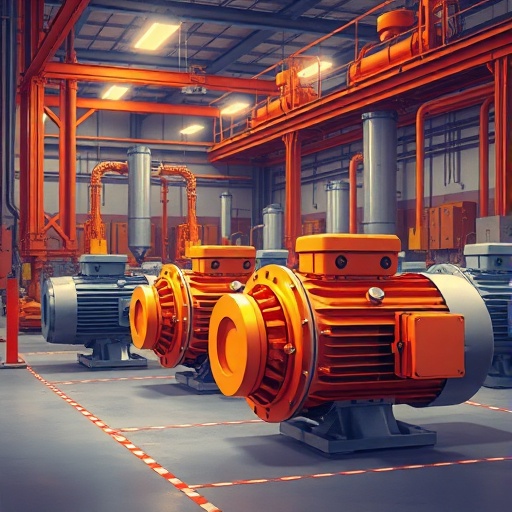
Builders craft flame proof enclosures from high-strength alloys to withstand extreme pressures during potential explosions. These explosion-proof enclosures feature thick walls, typically 10-15 millimeters of cast iron, that absorb blast energy without deforming. Joints and flanges incorporate precise flame paths—narrow gaps that quench escaping flames by dissipating heat rapidly. Gaskets made from non-combustible materials seal entry points for cables and shafts, preventing ingress of hazardous gases. Inside, electric motors receive reinforced windings and insulated components to minimize spark risks. Ventilation occurs through controlled breathers that filter air without compromising integrity. Manufacturers test these enclosures by simulating internal blasts, ensuring compliance with global standards. In hazardous areas, such construction allows flame proof motors to operate at full load without external threats. Custom designs accommodate specific voltages and horsepower ratings, from fractional to hundreds of units. The enclosures' corrosion-resistant coatings, like epoxy paints, extend lifespan in corrosive environments such as marine settings. Overall, this meticulous construction transforms standard motors into reliable assets, reducing insurance premiums for industrial operations reliant on electric motors.
NEMA Ratings and Their Relevance in Hazardous Areas
NEMA ratings define the protective capabilities of enclosures for motors in diverse conditions, proving essential in hazardous areas. NEMA 7 ratings, for instance, specify explosion-proof construction that contains arcs and blasts, aligning perfectly with flame proof requirements. Facilities in oil and gas sectors demand NEMA 4X for weatherproofing alongside explosion-proof features, shielding against corrosion and dust in outdoor hazardous zones. These ratings guide selection of industrial motors, ensuring they endure submersion, impacts, and corrosive agents. NEMA 9 addresses dust-ignition-proof needs, complementing flame proof motors in grain elevators or coal handling. Engineers reference NEMA standards during installation to match site classifications, avoiding costly retrofits. In practice, a NEMA 7-rated flame proof motor powers agitators in chemical mixers, maintaining safety amid flammable solvents. Higher ratings like NEMA 12 offer oil-tight protection for indoor dusty areas, enhancing versatility. Compliance with NEMA not only meets regulatory demands but also boosts operational reliability, as tested enclosures prevent failures that could escalate into emergencies. As industries expand into remote hazardous areas, NEMA-rated electric motors become foundational for sustainable, safe automation.
Premium Efficiency and Performance of Flame Proof Motors
Flame proof motors deliver premium efficiency, optimizing energy use while upholding stringent safety protocols. These electric motors achieve IE3 or higher efficiency levels, converting over 90% of input power into mechanical output, far surpassing standard industrial motors. Robust designs incorporate low-loss laminations and high-grade copper windings that reduce heat buildup, crucial in explosion-proof enclosures. Performance metrics include high torque at startup, enabling seamless integration into conveyor or pump systems in hazardous areas. Manufacturers embed thermal sensors to monitor overloads, preventing efficiency drops from overheating. In operation, premium efficiency flame proof motors cut electricity bills by 20-30% compared to older models, appealing to cost-conscious operators. They maintain consistent speed under varying loads, enhancing productivity in refining processes. Environmental benefits arise from lower carbon emissions, aligning with green initiatives in petrochemical sectors. Testing under simulated hazardous conditions verifies that efficiency holds without compromising flame containment. Users report extended service life—up to 30,000 hours—due to superior insulation and bearings. Ultimately, these motors redefine performance standards, making safety and savings synonymous in demanding applications.
Variable Frequency Drives and Flame Proof Motors
Integration of Variable Frequency Drives with Electric Motors
Integrating variable frequency drives (VFDs) with flame proof motors revolutionizes control in hazardous areas. VFDs adjust motor speed by varying electrical frequency, pairing seamlessly with explosion-proof electric motors to match operational demands precisely. Installers mount VFDs externally or within certified enclosures, ensuring the entire system remains flame proof. This setup allows flameproof motors to ramp up gradually, reducing inrush currents that could spark in volatile atmospheres. In mining operations, VFD-equipped motors drive fans variably, optimizing airflow without constant full-speed running. Compatibility hinges on matching voltage ratings and using filtered cables to suppress electromagnetic interference. Advanced VFDs incorporate safety interlocks that shut down upon detecting enclosure breaches. This integration extends to industrial motors across sectors, from water treatment to pharmaceuticals, where precise speed control prevents process upsets. Engineers benefit from programmable parameters that fine-tune torque and efficiency. Overall, VFDs transform rigid flame proof motors into dynamic tools, enhancing adaptability without sacrificing explosion-proof integrity.
Benefits of Using Variable Frequency Drives in Hazardous Conditions
Variable frequency drives bring transformative benefits to flame proof motors in hazardous conditions, starting with enhanced safety through soft starts that minimize arc flashes. In explosive environments like gas processing plants, VFDs prevent sudden torque surges that could damage belts or couplings in electric motors. They enable remote monitoring, allowing operators to adjust speeds from control rooms, reducing human exposure to risks. Energy savings reach 50% in variable-load applications, such as pumps in oil refineries, where flameproof motors idle less. Improved process control ensures consistent output, vital for maintaining pressure in distillation columns. VFDs also extend motor lifespan by limiting thermal stress, a key concern in dust-laden hazardous areas. Integration with sensors provides real-time diagnostics, flagging issues like vibration before they escalate. For industrial motors, this means fewer breakdowns and lower maintenance costs. Compliance with ATEX directives becomes straightforward, as certified VFDs maintain the system's integrity. Workers gain peace of mind knowing these drives incorporate fail-safes against overvoltage. In essence, VFDs elevate flame proof motors from mere compliance tools to intelligent assets driving efficiency and security.
Impact on Energy Efficiency and Operational Costs
Pairing variable frequency drives with flame proof motors slashes energy efficiency losses and trims operational costs dramatically. Traditional fixed-speed electric motors waste power idling or overspeeding, but VFDs optimize frequency to match exact needs, boosting overall efficiency by 30-40%. In hazardous areas like chemical storage, this translates to substantial utility savings for running explosion-proof motors continuously. Reduced peak demand lowers electricity tariffs, while harmonic filters in VFDs prevent grid penalties. Operational costs drop through predictive maintenance enabled by drive analytics, spotting bearing wear early in flameproof motors. Downtime shrinks, as adjustable speeds accommodate fluctuating loads without mechanical strain. For large installations, such as multiple motors in a paint factory, cumulative savings compound quickly. Environmental regulations favor this setup, as lower consumption cuts CO2 emissions. ROI typically materializes within 12-18 months, making it attractive for budget-strapped industries. Long-term, these systems enhance asset value by extending the life of industrial motors. Operators report streamlined budgeting, freeing resources for innovation. Thus, VFD integration redefines cost-effectiveness in safety-critical environments.
Safety Standards and Regulations for Flame Proof Motors
Overview of International Safety Standards
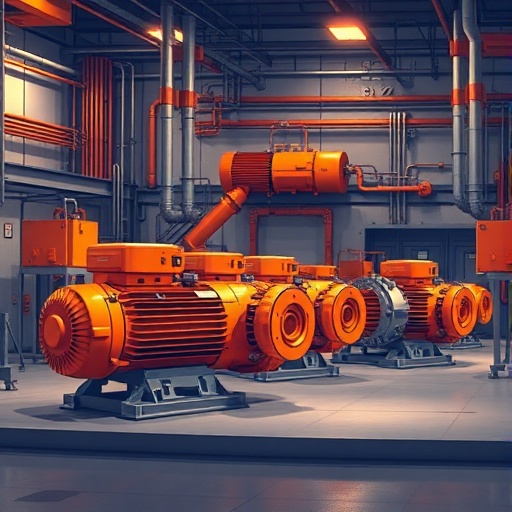
International safety standards form the backbone of flame proof motor deployment, ensuring uniform protection across borders. IEC 60079 outlines explosion-proof requirements for electrical equipment in hazardous areas, specifying flame paths and temperature limits for motors. ATEX directives in Europe mandate zoning and certification for flameproof devices, classifying atmospheres from gas groups IIA to IIC. In the US, NEC Article 500 defines hazardous locations, aligning explosion proof motors with Class I, Division 1 standards. These frameworks require third-party testing by bodies like UL or Baseefa to verify enclosure integrity. Global harmonization through IECEx simplifies exports, allowing a single certification for flame proof motors worldwide. Standards evolve with technology, incorporating IP ratings for dust and water resistance. Industries like offshore drilling adhere strictly, as non-compliance risks fines exceeding millions. Training programs under these standards equip engineers to select and install electric motors correctly. Emerging guidelines address hybrid hazards, blending gas and dust protections. Compliance not only averts disasters but fosters trust in supply chains. As standards tighten, flame proof motors advance, embodying global commitment to worker safety.
Compliance Requirements for Installation in Hazardous Areas
Installing flame proof motors in hazardous areas demands rigorous compliance to avert catastrophic failures. Site assessments classify zones based on gas or dust presence, dictating motor selection per NEC or IEC guidelines. Grounding and bonding prevent static sparks, with cables routed through explosion-proof conduits sealed at entry points. Ventilation must avoid creating ignition sources, often requiring flame arrestors. Documentation, including certificates and drawings, verifies that the electric motor meets NEMA or ATEX ratings. Professional electricians certified in hazardous installations handle wiring, using intrinsically safe barriers where needed. Post-installation, functional tests simulate loads to confirm no hot spots exceed limits. In petrochemical plants, compliance extends to emergency shutdown integrations for flameproof motors. Regular audits by authorities ensure ongoing adherence, with violations leading to operational halts. Best installations incorporate labeling for quick identification during inspections. For variable speed setups, VFD compatibility checks are mandatory. This meticulous process safeguards assets and personnel, turning regulatory hurdles into robust safety foundations for industrial motors.
Best Practices for Maintenance and Inspection of Flame Proof Motors
Effective maintenance and inspection of flame proof motors preserve their integrity in hazardous areas, starting with scheduled visual checks for enclosure damage or corrosion. Technicians use non-sparking tools to examine joints and seals, ensuring flame paths remain unobstructed. Vibration analysis detects imbalances early, preventing failures in electric motors under constant load. Thermal imaging identifies hotspots without disassembly, crucial for explosion-proof designs. Lubrication follows manufacturer specs, using approved greases to avoid contamination. Annual disassemblies, per IEC standards, verify internal components like windings for wear. Record-keeping tracks trends, enabling predictive overhauls. In dusty environments, cleaning enclosures with compressed air removes accumulations that could ignite. Training ensures personnel recognize tampering signs, voiding certifications. For integrated VFDs, firmware updates maintain efficiency. These practices extend motor life beyond 20 years, minimizing unplanned outages. Budgeting for certified services yields high returns through reliability. Ultimately, diligent upkeep transforms flame proof motors into enduring sentinels of safety.
Future Trends in Flame Proof Motor Technology

Advancements in Materials and Design
Advancements in materials propel flame proof motor technology forward, with lightweight composites replacing heavy metals for explosion-proof enclosures. Carbon fiber-reinforced polymers offer superior strength-to-weight ratios, easing installation in remote hazardous areas. Nanocoatings enhance corrosion resistance, ideal for offshore electric motors battling saline exposure. Design innovations include modular enclosures that allow quick component swaps without full disassembly, reducing downtime. 3D printing enables custom flame paths tailored to specific gas groups, optimizing safety. Hybrid materials combine aluminum with ceramics for better heat dissipation, boosting premium efficiency. These evolutions cut manufacturing costs by 15-20%, making advanced flameproof motors accessible to smaller industries. Ergonomic designs incorporate easier access panels, streamlining maintenance. Sustainability drives bio-based insulators, lowering environmental impact. Engineers leverage simulation software to test designs virtually, accelerating innovation. As materials evolve, flame proof motors become more versatile, supporting emerging sectors like hydrogen production where explosive risks loom large.
The Role of Smart Technology in Enhancing Safety
Smart technology elevates flame proof motors by embedding IoT sensors for real-time monitoring in hazardous areas. Wireless networks transmit data on temperature, vibration, and enclosure pressure, alerting operators to anomalies before failures occur. AI algorithms predict maintenance needs, analyzing patterns from electric motor operations to prevent overloads. Blockchain ensures certification traceability, verifying compliance for explosion-proof components. Integration with digital twins simulates scenarios, refining safety protocols. In refineries, smart flameproof motors self-diagnose, integrating with plant-wide systems for automated shutdowns. Edge computing processes data locally, minimizing latency in remote sites. Cybersecurity features protect against hacks that could compromise safety. These technologies reduce inspection frequency while heightening vigilance. User interfaces provide dashboards for intuitive control, empowering non-experts. As 5G expands, connectivity enhances, enabling fleet management of industrial motors. Smart enhancements not only safeguard lives but also optimize performance, heralding a proactive era in motor safety.
Emerging Applications in Industrial Settings
Emerging applications expand flame proof motors into new industrial frontiers, powering automated drones in explosive mining surveys. Renewable energy sectors deploy them in wind farm gearboxes amid volatile lubricants. Battery manufacturing plants use explosion-proof variants for conveyor drives, handling lithium dust hazards. Space exploration analogs test flameproof motors in simulated Martian atmospheres for rover propulsion. Food and beverage industries adapt them for mixers in alcohol distillation, ensuring ATEX compliance. Vertical farming in enclosed, gas-enriched environments benefits from compact designs. Electric vehicle charging stations in fuel depots integrate these motors for ventilation. Pharmaceutical R&D labs rely on them for bioreactor agitation under solvent risks. As automation surges, flame proof motors enable robotic arms in paint booths. These applications demand versatile, efficient units, driving R&D toward smaller, smarter electric motors. Global shifts toward electrification amplify their role, from EV production to smart grids. Innovators foresee widespread adoption, solidifying flame proof technology as a cornerstone of future industries.
See Also
- Variable Frequency Drives and Flame Proof Motors Combined
- The Science Behind Flame Proof Motors and Their Applications
- Understanding the Importance of Explosion Proof Enclosures for Electric Motors
- Flameproof Motors Explained for Industrial Applications
- Top 5 Benefits of Using Explosion Proof Motors in Industry