Unlocking the Benefits of HDPE Bottles for Eco-Friendly Packaging
Understanding HDPE Bottles and Their Composition
What is High-Density Polyethylene (HDPE)?
High-density polyethylene forms the backbone of many durable containers on the market today. Manufacturers create this thermoplastic from petroleum through a process that yields tightly packed molecular chains, giving hdpe its signature strength and rigidity. Producers mold hdpe into hdpe bottles, hdpe jugs, and hdpe containers that hold liquids without flexing or cracking under pressure. The material resists moisture absorption and maintains integrity across wide temperature ranges, which explains its popularity in both industrial and household settings. Companies source high density polyethylene resins that meet strict FDA standards for food contact, ensuring safety when consumers fill hdpe plastic bottles with beverages or household cleaners. This polymer stands apart from lighter plastics because its density delivers superior impact resistance while remaining lightweight enough for easy transport.
The Advantages of Using HDPE in Packaging
HDPE bottles deliver unmatched toughness that protects contents during shipping and daily use. Their thick walls withstand drops and stacking without denting, which reduces product loss for suppliers. The material blocks ultraviolet light when pigmented, preserving sensitive formulas inside. Manufacturers appreciate how hdpe accepts pigments and additives that create opaque or translucent finishes suited to branding needs. High density polyethylene bottles also tolerate aggressive chemicals without leaching or degrading, a trait that makes them reliable for cleaning solutions and industrial fluids. Producers recycle scrap during molding to minimize waste, and the finished bottles stack efficiently on pallets to cut freight costs. These traits combine to make hdpe the go-to choice when durability and economy matter most in packaging materials.
Comparison with Other Plastics: HDPE vs. Polypropylene
Polypropylene offers good heat resistance yet lacks the stiffness that high-density polyethylene provides in larger formats. When comparing hdpe bottles to polypropylene containers, buyers notice that hdpe maintains its shape better under load and resists environmental stress cracking more effectively. Polypropylene softens at lower temperatures, while high density polyethylene bottles keep structural integrity in refrigerated or heated conditions. Both plastics recycle readily, but hdpe yields a higher-value recycled resin that re-enters production streams for new bottles and pipes. Decision makers often select hdpe for gallon jugs and carafes because the material’s density prevents paneling when contents are removed. Polypropylene works well for thin lids, yet hdpe dominates applications that demand rugged performance from plastic bottles.
The Eco-Friendly Benefits of HDPE Bottles
Recyclability of HDPE: Closing the Loop
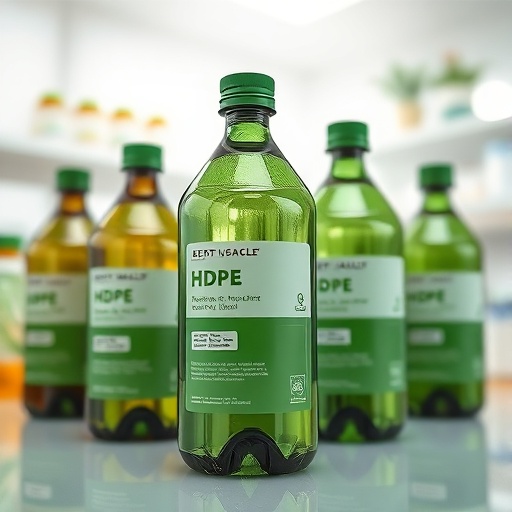
Communities collect hdpe bottles through curbside programs because the resin carries the number-two recycling code. Facilities sort, clean, and grind the material into pellets that manufacturers turn into new hdpe containers, drainage pipes, and lumber. This closed-loop process keeps high-density polyethylene out of landfills and reduces demand for virgin resin. Many brands now incorporate post-consumer recycled content into hdpe plastic bottles without sacrificing strength or appearance. Consumers recognize the familiar milk jug shape and place it in the proper bin, driving recovery rates above those of mixed plastics. The recycled resin performs identically in new molds, proving that hdpe supports repeated use cycles while conserving resources.
Reduced Environmental Impact of HDPE Packaging
HDPE bottles require less energy to produce than glass or metal alternatives, lowering the carbon footprint of packaging. Their light weight decreases fuel consumption during transport, an advantage that compounds across wholesale distribution networks. Because the material resists corrosion, fewer bottles fail and end up as waste. Producers design hdpe containers with minimal wall thickness that still meets performance standards, trimming plastic use without compromising safety. When companies switch from multilayer packaging materials to single-resin hdpe, sorting becomes simpler at recycling facilities and contamination drops. These efficiencies add up to measurable reductions in greenhouse gases and landfill volume across the packaging supply chain.
Sustainability in Packaging Design
Designers optimize hdpe bottles for recyclability by avoiding mixed-material closures that complicate processing. They specify resins derived from recycled sources and create shapes that drain completely to reduce rinse water during cleaning. Sustainable packaging design also incorporates features such as integrated handles on gallon jugs that improve grip and reduce the need for secondary packaging. Brands print product labels directly onto the surface or use thin, removable sleeves that do not contaminate the hdpe stream. By focusing on material choice, shape efficiency, and end-of-life considerations, companies meet consumer demand for responsible packaging while maintaining product protection and visual appeal.
Applications of HDPE Bottles in Various Industries
Laboratory Uses: Chemical Resistance and Safety
Laboratory technicians rely on hdpe bottles to store acids, bases, and solvents that would attack other plastics. The material’s chemical resistance prevents container degradation and sample contamination, ensuring accurate test results. Wide-mouth versions allow safe pouring and easy cleaning, while narrow-mouth options reduce evaporation during storage. Labs choose high density polyethylene containers because they withstand autoclave temperatures and repeated sterilization cycles. Many facilities purchase made in usa hdpe bottles to guarantee consistent quality and traceability. These bottles also serve as secondary containment for hazardous liquids, adding an extra layer of protection during transport within the lab.
Consumer Products: Nalgene and Water Bottles
Nalgene popularized high-density polyethylene water bottles for outdoor enthusiasts who needed lightweight, shatterproof hydration. The same durability now appears in everyday water bottle designs that survive backpacking trips and gym bags. Consumers appreciate the taste-neutral surface that does not impart odors to stored liquids. Reusable hdpe bottles reduce single-use plastic waste when refilled from filtered taps or fountains. Manufacturers add measurement markings and ergonomic grips to improve user experience. The material’s toughness means these bottles survive countless dishwasher cycles and still seal tightly, making them practical choices for families seeking sustainable hydration options.
Wholesale Distribution: Cost-Effectiveness and Versatility
Wholesale buyers stock hdpe bottles because the containers serve multiple product categories without requiring separate inventories. Gallon jugs handle bulk liquids while smaller cylinders suit retail shelves. The low unit cost combined with high strength keeps total landed expenses down for distributors. Suppliers offer private-label options that include custom product labels and color matching to align with brand identities. Wholesale programs often include customer service teams that assist with sizing, closure selection, and regulatory compliance documentation. This versatility and support make hdpe the default material for companies that package cleaners, beverages, and personal care items at scale.
Innovative Design Features of HDPE Bottles
Shape and Functionality: From Carafes to Cylinders
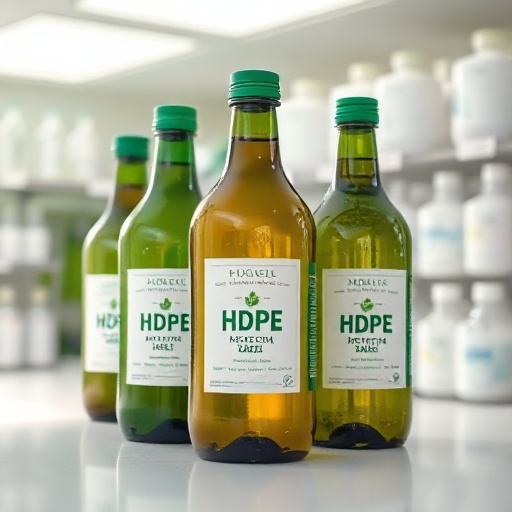
Designers create hdpe bottles in carafe shapes that pour smoothly without dripping and stack compactly on shelves. Cylinder profiles maximize volume within limited counter space and accept standard pumps or sprayers. Some containers feature indented grips that improve handling when contents make the surface slippery. The material accepts precise molding details such as measurement graduations and tamper-evident rings that enhance functionality. Manufacturers vary wall thickness by region so that carafes remain stable on tables while lighter cylinder bodies reduce material use. These thoughtful shapes turn basic plastic bottles into versatile tools that meet specific pouring, storage, and display requirements.
Custom Product Labels for Branding
Brands apply vibrant product labels to hdpe bottles through in-mold labeling or pressure-sensitive adhesives that adhere reliably to the slick surface. Full-wrap labels maximize branding area and communicate usage instructions clearly. Digital printing allows short runs of custom designs without excessive setup costs, helping smaller companies compete. The smooth hdpe surface accepts high-resolution graphics that resist scuffing during distribution. Companies also choose matte or gloss finishes to match product positioning. Effective labeling transforms plain high density polyethylene bottles into recognizable packages that drive shelf appeal and repeat purchases.
Incorporating Accessories: Pumps and Funnels
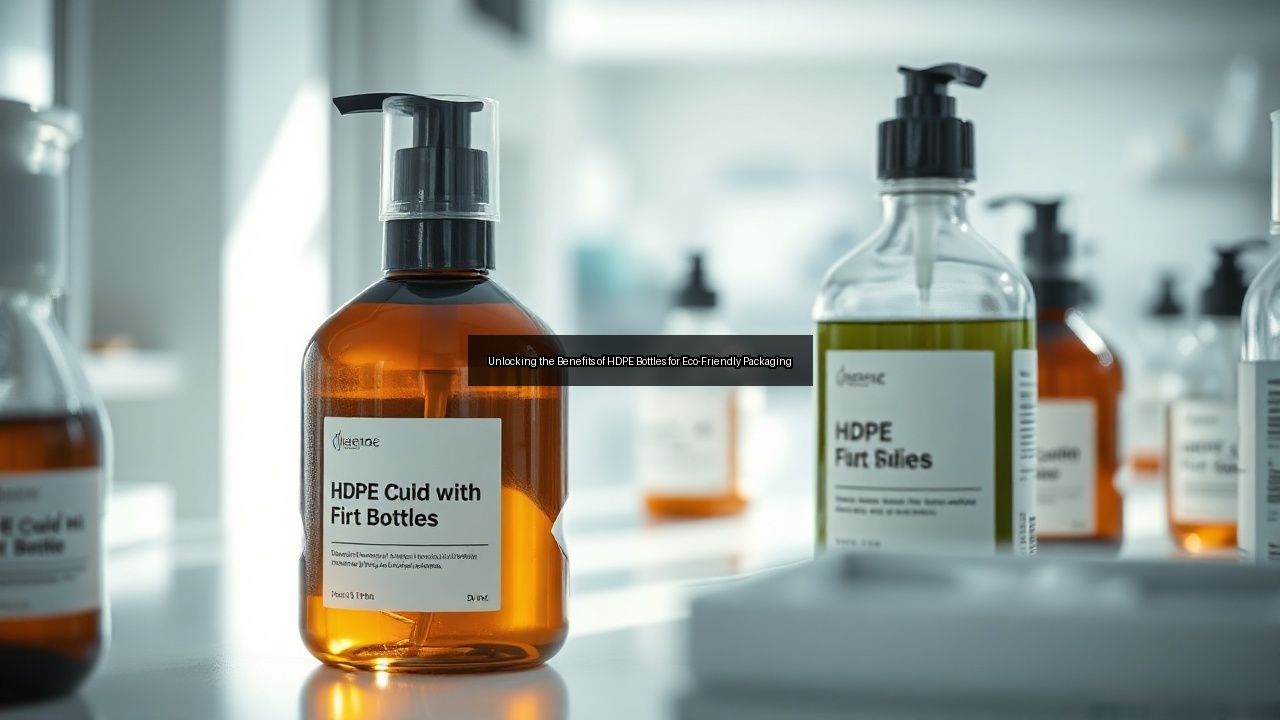
Many hdpe bottles pair with pumps that dispense precise amounts of lotion or cleaner, reducing waste and mess. Trigger sprayers attach to cylinder necks for household chemicals, while funnel tops aid controlled filling of narrow-mouth containers. Accessory threads match standard hdpe bottle finishes so users can switch between pump, cap, and sprayer options easily. Manufacturers offer dip tubes cut to length for different bottle heights, ensuring complete product evacuation. These combinations extend the utility of hdpe containers across personal care, automotive, and garden markets where controlled application matters.
Choosing the Right HDPE Bottle for Your Needs
Considerations for Size: Gallon Jugs to Smaller Containers
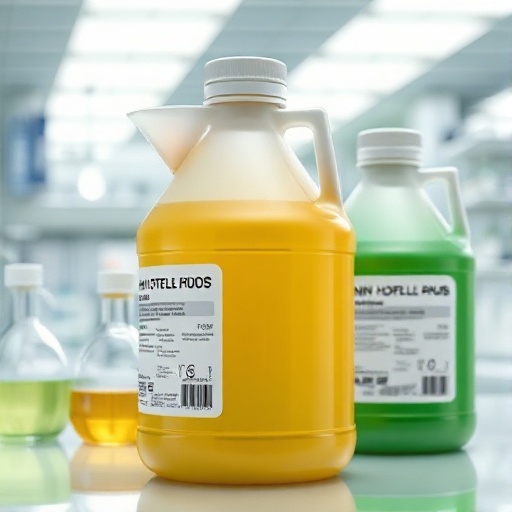
Selection begins with volume requirements. Gallon jugs suit bulk storage and refilling stations, while 16-ounce and 32-ounce cylinders fit retail displays and point-of-use applications. Tall, narrow profiles conserve shelf space; short, wide designs provide stability for viscous products. Buyers match neck finishes to available closures so pumps and caps seat correctly without leaks. Stocking a range of sizes from the same hdpe resin family simplifies ordering and maintains consistent material properties across a product line.
Understanding Leak Resistance and Durability
Quality hdpe bottles feature molded sealing rings and precise thread tolerances that prevent leaks even when inverted during shipping. Thick bases resist cracking when containers drop onto hard surfaces. Manufacturers test samples for environmental stress crack resistance to confirm performance with specific chemicals. Customers verify leak resistance by checking for smooth interior surfaces that eliminate weak spots. Proper wall thickness and resin grade ensure the bottles survive temperature swings and rough handling without compromising contents or creating hazards.
Customer Service and Wholesale Options for HDPE Bottles
Reputable suppliers provide customer service representatives who guide selection of the correct hdpe bottle style, closure, and labeling method. Wholesale accounts receive volume pricing, custom color matching, and documentation for regulatory submissions. Many vendors stock made in usa options that meet domestic content requirements for government or institutional buyers. Responsive teams help troubleshoot filling line issues and arrange just-in-time deliveries that keep production schedules on track. Strong support transforms commodity hdpe containers into reliable components of efficient packaging operations.
See Also
- Customizing Your Product Label for HDPE Bottles to Stand Out
- The Evolution of Packaging Design with High Density Polyethylene
- Exploring the Leak-Proof Design of HDPE Containers for Safe Storage
- Beyond Water: Creative Uses for HDPE Plastic Bottles
- From Nalgene to Sprayers The Versatility of HDPE in Everyday Life