Unlocking the Secrets of Shaft Machining for Optimal Performance
Understanding Shaft Machining
Definition and Importance of Shaft Machining
Shaft machining involves the precise manufacturing and shaping of shafts, which are critical components in various mechanical systems. These components transmit torque and rotational power, making them essential in machinery, automotive engines, and aerospace applications. The importance of shaft machining lies in its ability to produce parts that meet stringent tolerances and specifications. High-quality machining ensures optimal performance and reliability, reducing the likelihood of failure and maintenance issues. With advancements in technologies such as CNC machining, manufacturers can achieve greater accuracy and efficiency, enhancing overall product performance and longevity.
Key Components of Shaft Design
A well-designed shaft encompasses several key components that contribute to its functionality. The diameter and length of the shaft must align with the intended application, ensuring it can handle the required torque without excessive deflection. The shape of the shaft, whether splined or cylindrical, plays a pivotal role in its ability to transmit power effectively. Additionally, threading may be incorporated for coupling with other mechanical parts. The integration of features like keyways and grooves can enhance the connection with other components, facilitating better performance in complex systems. Understanding these elements is crucial for designing a shaft that meets specific operational demands.
Common Materials Used in Shaft Manufacturing
Material selection significantly impacts the performance and durability of shafts. Common materials include stainless steel, aluminum, and carbon steel, each offering distinct advantages. Stainless steel provides excellent corrosion resistance, making it ideal for applications exposed to harsh environments. Aluminum is lightweight and offers good machinability, beneficial for reducing overall system weight, particularly in aerospace applications. Carbon steel, known for its toughness and strength, is often used in high-stress environments. Each material's properties must align with the shaft's intended use, ensuring it can withstand operational stresses, thermal expansion, and potential vibration during service.
The Shaft Machining Process
Machining Techniques: Turning, Milling, and Drilling
The shaft machining process employs various techniques to achieve the desired dimensions and surface finish. Turning, a key machining operation, involves rotating the shaft against a cutting tool, allowing for precise shaping along its length. This method is essential for creating features like diameters and threads. Milling, on the other hand, utilizes rotating cutting tools to remove material from machining services the shaft's surface, enabling the creation of complex shapes and keyways. Drilling is typically employed to create holes for fastening machining services or alignment purposes. Each technique has its specific applications, and the choice depends on the desired final product's complexity and specifications.
CNC Machining: Revolutionizing Shaft Production
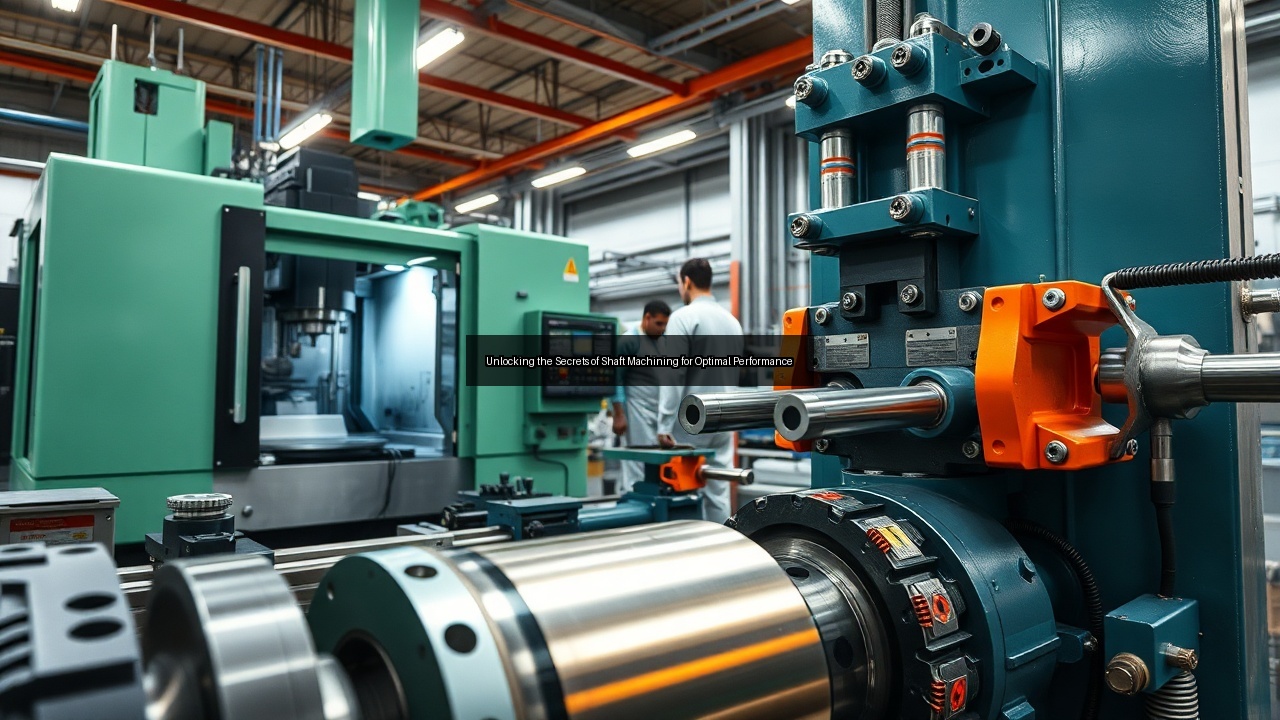
CNC machining has transformed shaft production by introducing automation and precision. CNC machines utilize computer programming to control machining operations, ensuring consistent quality and dimensional accuracy. This technology allows for complex geometries and tighter tolerances that manual machining cannot achieve. CNC turning and milling machines streamline the workflow, reducing setup times and minimizing tool wear. Additionally, CNC technology enhances the ability to replicate designs, making it easier to produce large quantities of shafts with uniform quality. The efficiency and precision offered by CNC machining have made it a cornerstone of modern manufacturing practices.
Quality Control in Shaft Machining: Ensuring Tolerances and Accuracy
Quality control is essential in shaft machining to ensure that the final product meets the required specifications. Manufacturers employ various inspection techniques to verify dimensions, tolerances, and surface finishes. Measurement tools such as calipers and micrometers provide precise readings of critical parameters like diameter and length. Advanced inspection systems may include laser scanning and coordinate measuring machines (CMM) for comprehensive assessments. Implementing strict quality assurance protocols reduces the risk of defects and enhances reliability. Continuous monitoring during the machining process ensures that any deviations from specifications are addressed promptly, maintaining high standards of accuracy and performance.
Factors Influencing Shaft Performance
Material Selection: Stainless Steel vs. Aluminum vs. Carbon Steel
The choice of material plays a vital role in defining a shaft's performance characteristics. Stainless steel offers superior resistance to corrosion and wear, making it suitable for environments where exposure to moisture or chemicals is prevalent. Aluminum, while lighter, may not provide the same strength under high torque conditions but is favored in applications where weight reduction is critical, such as in aerospace and automotive designs. Carbon steel strikes a balance between strength and cost-effectiveness, making it a popular choice for general-purpose applications. Understanding the properties of these materials enables engineers to select the most appropriate option based on the specific demands of the application.
Impact of Geometry and Surface Finish on Performance
The geometry of a shaft significantly influences its performance in power transmission. Features machining services such as diameter, length, and shape determine how well the shaft can handle torque and resist deflection. A well-optimized geometry minimizes stress concentrations, enhancing durability. Additionally, surface finish plays a crucial role in reducing friction and wear. A smoother surface can lower vibration and noise levels, improving overall efficiency. Techniques such as grinding and polishing can achieve the desired surface finish, contributing to the shaft's longevity and operational reliability. Engineers must consider both geometry and surface finish in the design phase to maximize performance.
Managing Thermal Expansion and Stresses in Shaft Design
Thermal expansion can pose challenges in shaft design, especially in applications where temperature fluctuations occur. Materials expand when heated, potentially leading to misalignment and increased stresses. Engineers must account for thermal expansion in their designs to mitigate these effects. This includes selecting materials with suitable coefficients of machining services thermal expansion and incorporating features that allow for movement, such as clearance in bearings. Additionally, managing stresses through proper design techniques helps enhance the shaft's resilience under operational loads. Understanding these factors ensures that shafts maintain integrity and functionality throughout their service life.
Applications of Shaft Machining in Various Industries
Aerospace and Automotive: Demands for Precision and Reliability
Shaft machining is critical in aerospace and automotive industries, where precision and reliability are non-negotiable. In aerospace applications, shafts must endure extreme conditions while maintaining performance standards. Components such as drive shafts and countershafts require meticulous machining to meet safety and regulatory guidelines. Automotive sectors demand shafts that can effectively transmit power while minimizing weight and maximizing efficiency. The complexity of systems in both industries necessitates advanced machining techniques to ensure each part meets the rigorous demands for quality and performance.
Transmission Systems and Drive Shafts: A Focus on Torque and Power
Transmission systems rely heavily on well-machined shafts to transfer torque and power from engines to wheels. Drive shafts must withstand high levels of stress while maintaining precise alignment to ensure smooth operation. The manufacturing process emphasizes quality, as any defects can lead to catastrophic failures. Machining techniques must achieve the necessary tolerances and geometric accuracy to facilitate effective power transmission. Innovations in materials and machining technologies continue to enhance the performance of drive shafts, improving overall system efficiency in various applications.
Innovative Technologies and Future Trends in Shaft Machining
The future of shaft machining looks promising as new technologies emerge. Automation and Industry 4.0 principles are driving efficiency in manufacturing processes, reducing costs while maintaining high-quality standards. Innovations such as additive manufacturing may begin to play a role in producing complex shaft geometries that were once impossible with traditional machining methods. Additionally, advancements in materials science may lead to the development of new alloys that offer superior performance characteristics. As industries evolve, staying abreast of these trends will be essential for manufacturers looking to optimize shaft performance and meet the demands of increasingly complex systems.
See Also
- Cost-Effective Strategies for High-Quality Shaft Machining
- Understanding the Relationship Between Shaft Geometry and Performance
- Exploring the Impact of Material Selection on Shaft Machining Success
- Aerospace Innovations in Shaft Machining Techniques
- Maximizing Efficiency in Shaft Machining with Advanced Quality Control